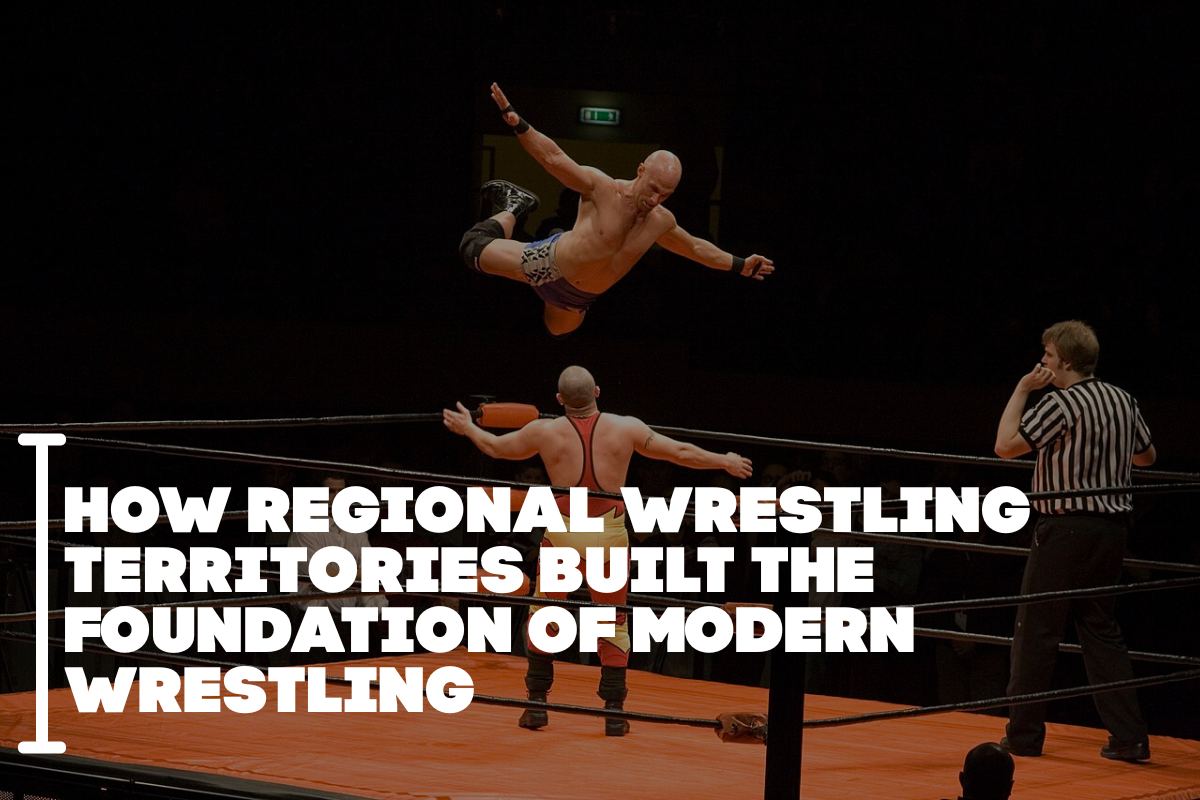
Amateur wrestling profoundly shaped professional styles through technical foundations like takedowns, suplexes, and mat control, evolving catch-as-catch-can into modern worked bouts while providing elite athletes for pro ranks.
Olympic freestyle and Greco-Roman traditions influenced global promotions, blending legitimacy with entertainment across WWE, NJPW, and beyond.
Catch Wrestling: Amateur Roots in Pro Origins

Catch-as-catch-can, derived from 19th-century Lancashire amateur styles, allowed leg holds and submissions, directly birthing U.S. carnival pro wrestling by the 1900s. Pioneers like Frank Gotch transitioned from legit contests to fixed matches, popularizing throws and pins that persist in suplex chains and ground games today.
Greco-Roman and Freestyle Techniques in Pro
Greco-Roman’s upper-body throws and no-legs rule inspired pro backdrops and lifts, as seen in Lou Thesz’s style, while freestyle takedowns fuel chain wrestling. Brock Lesnar’s amateur NCAA titles translated to WWE German suplexes, and Kurt Angle’s Olympic gold enabled ankle locks and amateur shoots in feuds.
Stars Bridging Amateur to Pro Success
Amateur pedigrees dominate: Angle (1996 Olympic gold), Lesnar (NCAA champ), and Dolph Ziggler (All-MAC) brought mat savvy, selling impacts realistically. In NJPW, amateur backgrounds enhance strong style endurance, with wrestlers like Minoru Suzuki merging freestyle with MMA crossovers.
Global and Modern Influences

Japan’s puroresu incorporates freestyle chains, Mexico’s lucha adds flips to amateur bases, and AEW emphasizes no-sell recovery from suplexes rooted in collegiate training. Talent scouts like WWE’s Gerry Brisco prioritize amateur circuits for athletic foundations amid flips and high spots.
Enduring Traditions and Evolution
Amateur rigor ensures pro credibility, from territory workrates to PPV marathons, sustaining wrestling’s hybrid appeal.
FAQs
How did catch wrestling link amateur to pro?
Evolved from Lancashire styles into carnivals, introducing submissions and fixes.

What Greco-Roman moves shaped pro?
Backdrops and upper-body throws, popularized by Lou Thesz on TV.
Who exemplifies amateur-to-pro transition?
Kurt Angle (Olympic gold) and Brock Lesnar (NCAA champ) with suplex mastery.
Does amateur aid modern styles like NJPW?
Yes, builds endurance for long strong style matches.
Why do scouts value amateur backgrounds?
Provides takedowns, physique, and realism amid pro flair.