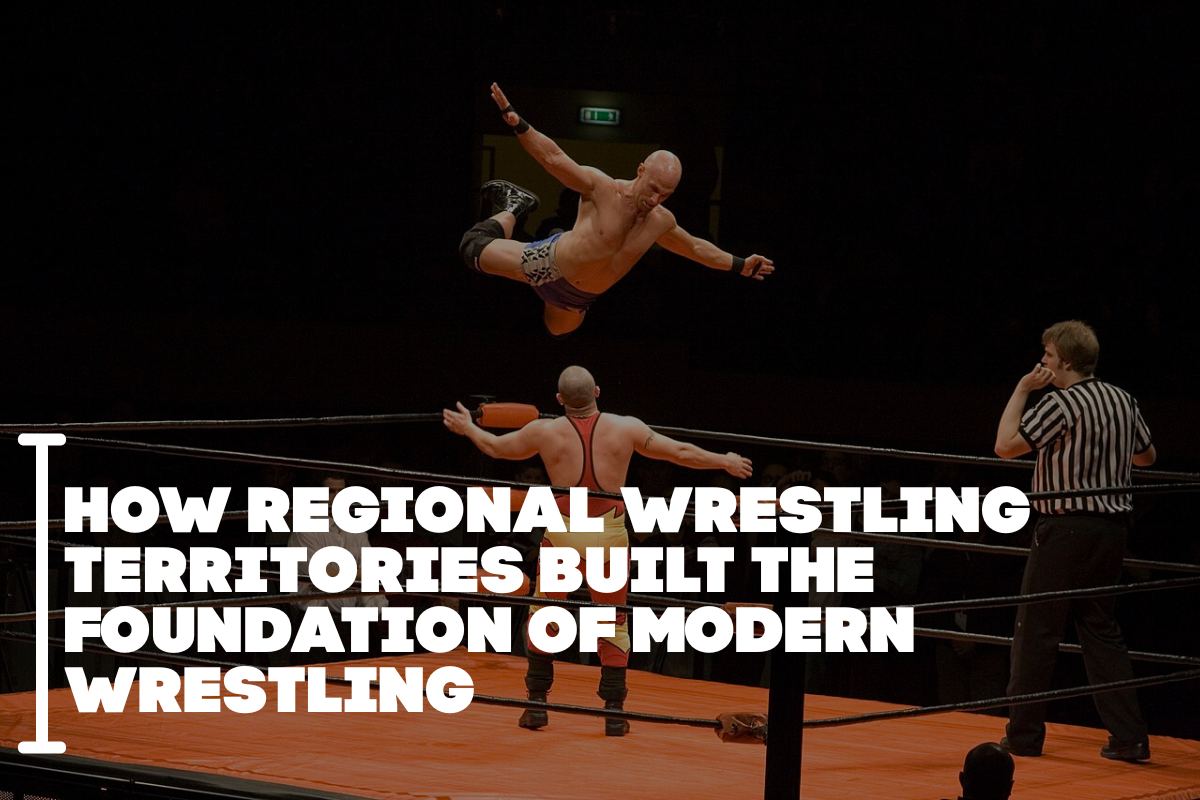
In the USA, regional wrestling territories from the 1920s to 1980s formed a patchwork of promotions under the National Wrestling Alliance (NWA), nurturing talent and storytelling that underpin WWE’s empire. This system of local monopolies fostered innovation while sharing stars, laying groundwork for national spectacles.
Origins of the Territory System
Post-WWII America saw wrestling boom locally due to travel limits and regional tastes. Promoters carved geographic fiefdoms—NWA formed in 1948 with 20+ territories recognizing one world champion, enabling talent trades without poaching. Weekly TV and armory shows built loyal fanbases; wrestlers booked 250-300 dates yearly across regions, honing skills on the road.
NWA Structure and Collaboration

NWA’s board of promoters enforced boundaries—no invasions—while loaning talent for big angles. Territories like Mid-Atlantic (Jim Crockett) dominated TV via TBS, drawing millions with Ric Flair vs. Dusty Rhodes epics. Annual bookings rotated the NWA World Title holder, like Harley Race or Lou Thesz, boosting local gates.
Key Territories and Their Stars
Mid-South Wrestling (Bill Watts, Louisiana/Oklahoma) innovated with gritty “cowboy” brawls, launching Junkyard Dog, Ted DiBiase, and the Fabulous Freebirds; Superdome cards hit 30,000 fans. Jim Crockett Promotions (North Carolina) emphasized tags with the Rock ‘n’ Roll Express and Arn Anderson, expanding into PPV precursors. AWA (Verne Gagne, Midwest) stressed amateur roots, crowning Nick Bockwinkel amid Hulk Hogan’s rise. Georgia Championship Wrestling (GCW, Thunderbolt Patterson era) featured Mr. Wrestling II, airing nationally on TBS before Vince McMahon bought its slot.
Talent Pipeline and Training Grounds
Territories were wrestling universities: rookies like Randy Savage paid dues in Memphis (Jerry Jarrett/Lawler), learning mic work and psychology. Road loops built endurance—Flair’s “Nature Boy” strut perfected in Florida (CWF, Eddie Graham). Crossovers like Von Erichs from World Class (Dallas) to everywhere created megastars; territories protected business via blacklists for jumpers.
Booking Innovations and Storytelling

Local flavors shone: Mid-South’s chain matches innovated stipulations; Portland’s “Rowdy” Roddy Piper mastered heel antics. Long-term feuds, protected finishes, and traveling champions taught pacing—lessons WWE absorbed for WrestleMania arcs. TV angles like Freebirds’ heel turn drew record crowds, foreshadowing national invasions.
Decline and National Expansion
Vince McMahon shattered the code in 1984, dubbing WWF “sports entertainment” to dodge contracts, raiding talent with Hulkamania and cable (MTV, USA Network). Pay-per-view bypassed territories; Crockett tried counter-expansion but folded to Turner in 1988. AWA and WCCW collapsed; by 1991, only Smoky Mountain (Jim Cornette) tried reviving it futilely.
Lasting Legacy in Modern Wrestling
Territories birthed WWE’s blueprint: character-driven stories, PPV model, global talent scouting. Stars like Bret Hart (Stampede) and Shawn Michaels (Texas indies) carried territory polish to national glory. Indie scenes and AEW echo territories with regional builds. NWA persists modestly, honoring roots.

This ecosystem democratized wrestling, turning carnies into icons and locals into superfans.
Frequently Asked Questions (FAQs)
Q. What was the NWA’s role in territories?
NWA coordinated 20+ promotions from 1948, sharing a world champion and talent while respecting borders.
Q. Which territory launched most WWE stars?
Mid-South (Watts) developed DiBiase, Rock ‘n’ Roll Express, and Freebirds via intense bookings.
Q. Why did territories collapse?
McMahon’s WWF ignored boundaries, using cable/PPV to raid talent and draw national crowds.
Q. How did wrestlers move between territories?
Bookers traded via NWA networks; wrestlers toured loops, avoiding burnout in one spot.
Q. What’s one key innovation from territories?
Protected long-term feuds and stipulations, like Mid-South chains, influencing WWE angles.