Professional wrestling’s journey from dusty carnival tents to sold-out stadiums and global broadcasts is one of the most remarkable evolutions in entertainment history. What began as a traveling attraction designed to draw crowds with feats of strength has transformed into a sophisticated form of storytelling that blends athletics, theater, and pop culture. Understanding this evolution reveals how wrestling adapted to changing audiences, media, and cultural expectations while preserving its core appeal.
Origins in Carnivals and Traveling Shows
Professional wrestling traces its roots to 19th-century carnivals and traveling fairs. During this era, wrestling matches were presented as legitimate athletic contests, often promoted as challenges where spectators could test themselves against a professional grappler for prize money.

These matches were not always fully competitive. Wrestlers quickly learned that staged outcomes, exaggerated characters, and dramatic pacing were more entertaining—and profitable—than straightforward competition. This early form of performance laid the groundwork for wrestling’s future as a scripted spectacle while maintaining the illusion of legitimacy that drew crowds.
The Rise of Regional Territories
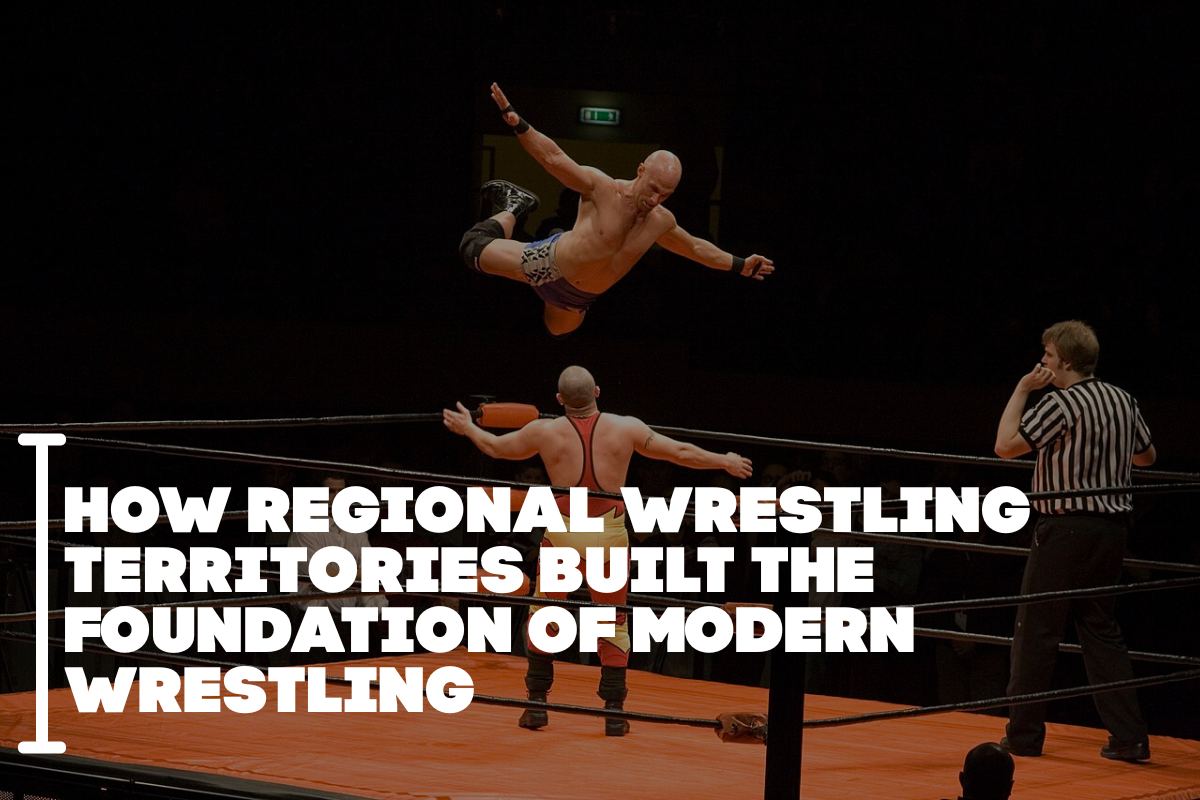
As wrestling grew in popularity in the early 20th century, it moved out of carnivals and into fixed venues such as armories and local arenas. Regional “territory” systems emerged, each with its own stars, champions, and storylines.
Promoters controlled specific geographic areas, ensuring that wrestlers could build reputations locally without overexposure. Storytelling became more refined, with heroes and villains crafted to appeal to regional values and cultural identities. Fans followed ongoing rivalries through newspapers and live events, creating early versions of loyal fan bases.
The Birth of Sports Entertainment

The mid-20th century marked a turning point as wrestling began embracing entertainment as much as competition. Television played a crucial role in this shift, allowing promotions to reach audiences far beyond local venues.
Promoters realized that dramatic interviews, colorful personas, and ongoing storylines attracted viewers who might not otherwise be interested in wrestling as a sport. The concept of “sports entertainment” emerged, emphasizing character-driven narratives alongside in-ring action.
This transformation accelerated under promotions like World Wrestling Entertainment, which helped standardize production, presentation, and storytelling on a national—and eventually global—scale.
Larger-Than-Life Characters and Storytelling

As wrestling reached wider audiences, characters became more exaggerated and theatrical. Wrestlers were no longer just athletes; they were superheroes, antiheroes, rebels, and villains with distinct identities.
Icons such as Hulk Hogan embodied clear moral archetypes, while later stars like The Rock brought charisma, humor, and crossover appeal. These characters allowed wrestling to tap into broader cultural themes such as patriotism, rebellion, and personal ambition.
Long-term storytelling became central, with rivalries unfolding over months or years and culminating in major events. Fans were encouraged to emotionally invest, transforming wrestling into serialized drama.
Pay-Per-View and the Era of Spectacle
The introduction of pay-per-view in the 1980s and 1990s revolutionized professional wrestling. Major events became cultural moments, complete with elaborate entrances, pyrotechnics, and high-stakes story conclusions.
Wrestling moved decisively into the realm of spectacle. Stadium shows drew tens of thousands of fans, while television production values rivaled mainstream entertainment. The spectacle was no longer just the match—it was the entire experience.
Global Expansion and Cultural Reach
With cable television, international tours, and eventually streaming platforms, wrestling became a global phenomenon. Promotions expanded into new markets, adapting storylines and characters to resonate with international audiences.
Wrestlers became global celebrities, appearing in films, music, and advertising. Wrestling terminology, catchphrases, and gestures entered everyday language, reinforcing its influence on pop culture worldwide.
The Digital and Social Media Era
The rise of the internet and social media further transformed wrestling. Fans now engage with storylines in real time, debate creative decisions, and interact directly with performers. This constant dialogue has made wrestling more participatory than ever before.
Digital platforms also allow promotions to experiment with storytelling, blending scripted narratives with real-life events and fan reactions. The line between performer and character has become increasingly fluid, adding layers of complexity to modern wrestling narratives.
Modern Wrestling as Global Spectacle
Today, professional wrestling is a fully realized global spectacle. It combines athletic performance, cinematic production, and transmedia storytelling across television, streaming services, live events, and social media.
Despite its scale, wrestling still carries the DNA of its carnival origins: captivating an audience through drama, illusion, and emotional engagement. The difference lies in reach and refinement, not in purpose.
Professional wrestling’s evolution from carnival sideshow to global spectacle reflects its ability to adapt without losing its essence. By embracing storytelling, spectacle, and cultural relevance, wrestling transformed itself into a unique form of entertainment that transcends sport.
Its continued success lies in this balance between tradition and innovation—honoring its roots while constantly reinventing itself for new generations of fans.
Frequently Asked Questions (FAQ)
Was early professional wrestling real competition?
Early wrestling blended legitimate contests with staged elements, gradually becoming more scripted as entertainment value proved more profitable.
Why did wrestling move away from carnivals?
Fixed venues, regional promotions, and television offered greater audiences, stability, and revenue than traveling shows.
How did television change professional wrestling?
Television expanded wrestling’s reach, emphasized character development, and turned it into serialized entertainment.
When did wrestling become a global phenomenon?
Wrestling’s global expansion accelerated with cable TV, pay-per-view, and later streaming platforms in the late 20th century.
Why is wrestling still popular today?
Its mix of storytelling, athleticism, spectacle, and fan engagement continues to evolve with modern media and cultural trends.