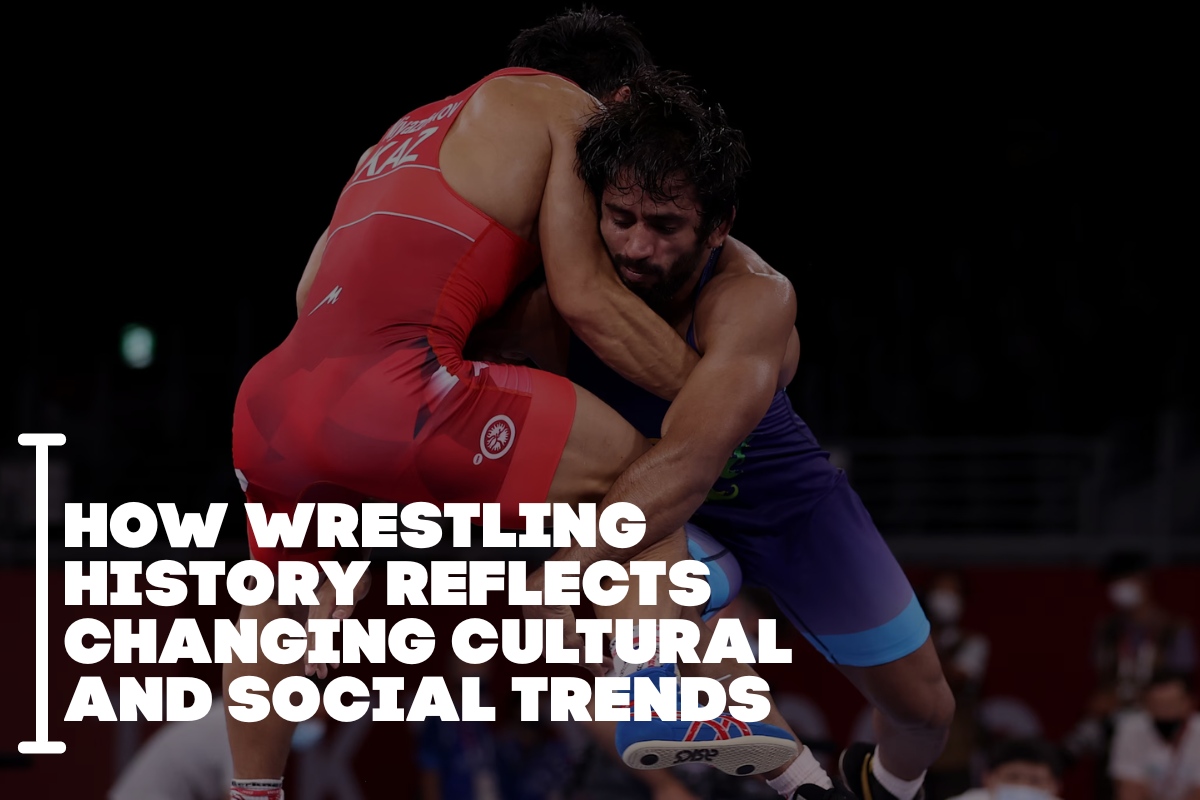
Professional wrestling is more than just entertainment; it is a reflection of the society in which it exists. Across decades, wrestling has mirrored cultural values, social struggles, political climates, and changing audience expectations.
From the exaggerated patriotism of the 1980s to the more nuanced, diverse, and socially aware storytelling of today, wrestling history offers a unique lens through which we can observe cultural evolution. This article explores how professional wrestling has continuously adapted to—and reflected—shifting social and cultural trends.
The Golden Age and the Celebration of Larger-Than-Life Heroes

In the 1980s and early 1990s, wrestling emphasized clear distinctions between good and evil. Heroes were presented as symbols of strength, honor, and patriotism, while villains often represented foreign threats or moral corruption. Characters like Hulk Hogan embodied traditional ideals of masculinity, nationalism, and optimism.
This era reflected a cultural desire for simplicity and unity during times of political tension, such as the Cold War. Wrestling storylines reinforced mainstream values: good would triumph, loyalty mattered, and authority was rarely questioned. These narratives resonated strongly with audiences seeking escapism and reassurance.
The Attitude Era and the Rise of Rebellion
The late 1990s marked a dramatic shift in wrestling’s tone with the emergence of the Attitude Era. Characters became more complex, antiheroes grew in popularity, and storylines embraced rebellion, edginess, and controversy. Figures like Stone Cold Steve Austin challenged authority, reflecting a broader cultural shift toward skepticism of institutions and traditional power structures.

This era mirrored societal changes such as growing distrust of corporations, changing attitudes toward censorship, and a desire for authenticity. Wrestling became grittier and more chaotic because audiences were evolving—and the industry adapted to maintain relevance.
Evolving Representations of Gender
Wrestling’s portrayal of women has undergone one of its most significant cultural transformations. Earlier decades often reduced female performers to stereotypes or purely aesthetic roles. Matches were brief, and storylines centered more on appearance than athletic ability.
Over time, audience expectations shifted alongside broader conversations about gender equality. Today, women headline major events, compete in high-quality matches, and are portrayed as multidimensional athletes. This evolution reflects real-world progress in conversations about representation, empowerment, and equity in sports and media.
Increasing Diversity and Representation
Modern wrestling has made noticeable strides in showcasing performers from diverse racial, cultural, and international backgrounds. Earlier eras often relied on harmful stereotypes, portraying certain characters through exaggerated cultural tropes.
As social awareness has grown, wrestling has gradually embraced more authentic representation. Wrestlers today openly celebrate their identities, and promotions increasingly value inclusion. This shift mirrors broader cultural movements toward representation, equity, and the celebration of multicultural perspectives.
Mental Health, Authenticity, and Vulnerability
In the past, wrestlers were expected to present invincibility both in and out of the ring. Vulnerability was rarely acknowledged. In contrast, modern wrestling culture increasingly embraces authenticity. Many performers openly discuss mental health, injuries, personal struggles, and life beyond the character.
This openness reflects a wider cultural movement that values emotional honesty and mental health awareness. Fans now appreciate performers not just as characters but as real people, and wrestling storytelling has adapted to honor that shift.
Fan Empowerment and the Digital Age
The rise of social media and online communities has changed the power dynamic between wrestling companies and audiences. Fans now have platforms to voice opinions, influence trends, and hold promotions accountable.
Crowd reactions, online movements, and fan campaigns can directly impact booking decisions, character pushes, and company policies. This reflects a broader cultural shift toward participatory media, where audiences are no longer passive consumers but active contributors to the conversation.
Storytelling Reflecting Modern Social Issues
Contemporary wrestling storylines often touch on themes like identity, belonging, injustice, and personal struggle. While still rooted in entertainment, these narratives increasingly resonate with real-world experiences.
This evolution shows that wrestling, like all storytelling mediums, adapts to cultural conversations. As society becomes more complex and aware, wrestling narratives evolve to match that depth.
Frequently Asked Questions
Why does wrestling change its style over time?
Wrestling adapts to audience expectations and cultural shifts. As society evolves, storytelling, character types, and presentation styles change to stay relevant.
How does wrestling reflect real-world issues?
Storylines, characters, and presentation often mirror social topics such as identity, authority, equality, and mental health, even when portrayed through entertainment.
Has wrestling become more inclusive over time?
Yes. While progress is ongoing, modern wrestling features greater representation of gender, race, culture, and identity compared to earlier decades.
Why are modern wrestling fans more vocal than before?
Social media and online platforms allow fans to share opinions instantly, creating stronger influence and community engagement than in past generations.
Is wrestling still a reflection of society today?
Absolutely. Wrestling continues to evolve alongside cultural values, social conversations, and audience expectations, making it a living reflection of the times in which it exists.