Professional wrestling transformed from carnival sideshows and regional territories into a billion-dollar entertainment juggernaut, blending athleticism, theater, and storytelling. Originating in 19th-century catch-as-catch-can matches, it evolved through scripted outcomes, national syndication, and digital globalization, captivating billions worldwide. Key figures like Vince McMahon and icons such as Hulk Hogan propelled this shift, turning local spectacles into WrestleMania spectacles.
Carnival Roots and Early Professionalization (1880s-1940s)
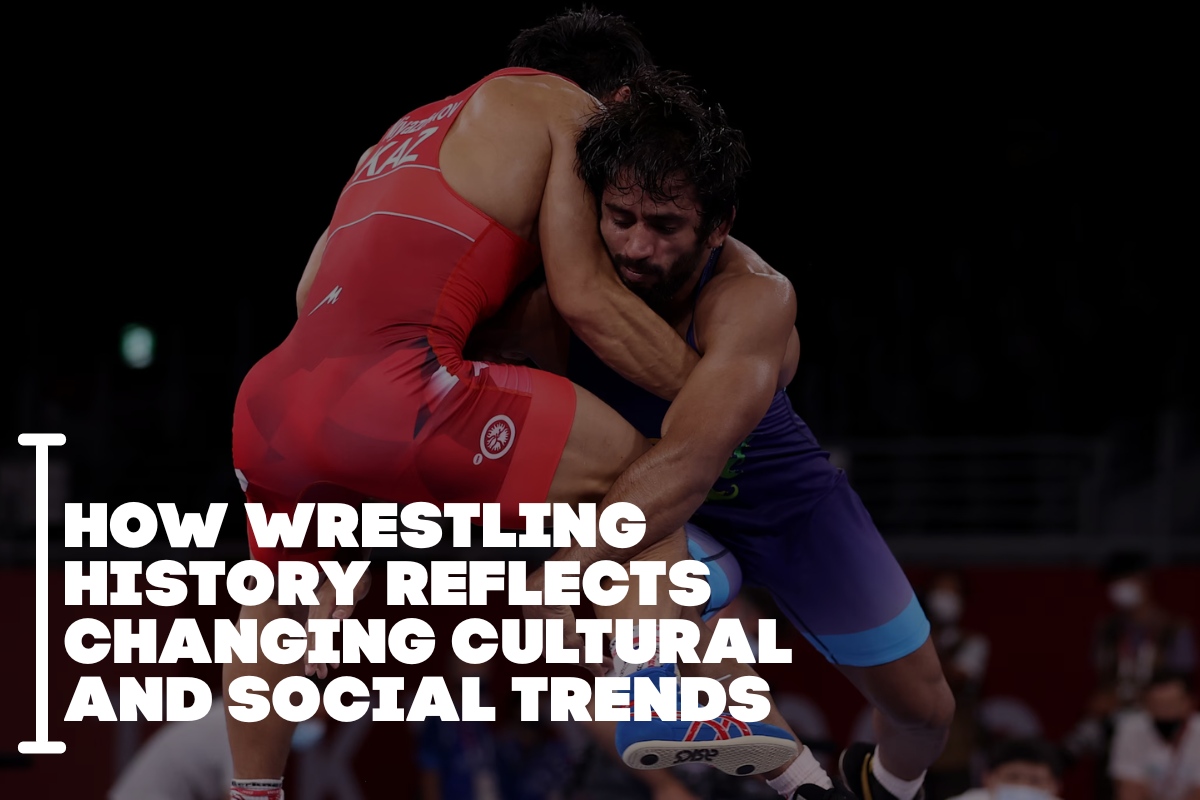
Wrestling emerged from carnivals where “hooks” lured crowds with grueling matches blending legit grappling and fixes. Stars like Evan “Strangler” Lewis and Frank Gotch drew thousands in the early 1900s, establishing world titles amid legitimacy debates. By 1905, George Hackenschmidt claimed the first pro world championship, professionalizing the sport.

The Gold Dust Trio—Ed “Strangler” Lewis, Billy Sandow, and Toots Mondt—introduced kayfabe (blurring reality and fiction), setting stages for scripted drama while promoters controlled territories.
The Territory Era and NWA Dominance (1948-1983)
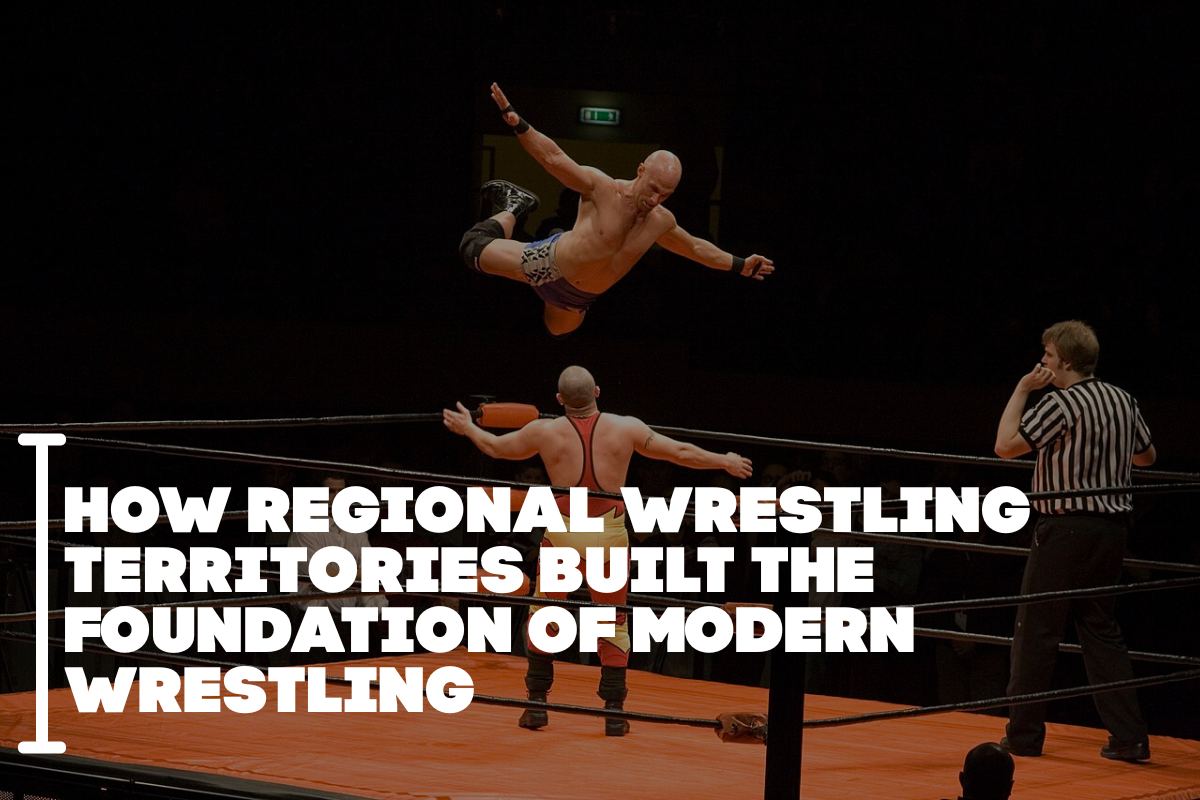
Post-WWII, the National Wrestling Alliance (NWA) unified promoters, sharing a world champion across regions while crowning local stars. Territories like Jim Crockett’s Mid-Atlantic or Georgia Championship Wrestling fostered loyal fans through weekly TV and house shows. AWA and WWWF (future WWE) splintered, with Bruno Sammartino’s 7-year WWWF reign symbolizing endurance.
This era emphasized athleticism and regional rivalries, grossing modestly but building grassroots passion.
National Expansion and Hulkamania (1983-1993)

Vince McMahon Jr. shattered territorial pacts in 1983, rebranding WWF as national “sports entertainment” via cable syndication. Hulk Hogan’s charisma exploded popularity; WrestleMania I (1985) drew 1 million PPV buys, blending celebrities like Mr. T with larger-than-life characters. Rock ‘n’ Wrestling crossover with MTV propelled revenues from $10M to $100M annually.
Steroids scandals and expansion strained, but global tours to UK/Australia planted seeds for international growth.
Attitude Era and Monday Night Wars (1993-2001)
WWF’s edgier “New Generation” faltered against WCW’s nWo invasion, sparking the Attitude Era. Stone Cold Steve Austin vs. Vince McMahon rivalries, DX antics, and The Rock’s mic skills peaked ratings at 8.1 (17M viewers). WCW/ECW competition innovated hardcore matches and storytelling, with WWF buying out rivals in 2001, becoming undisputed leader.

PPV dominance and edgy content attracted mainstream audiences, solidifying wrestling’s cultural foothold.
WWE Monopoly and Ruthless Aggression (2002-2014)
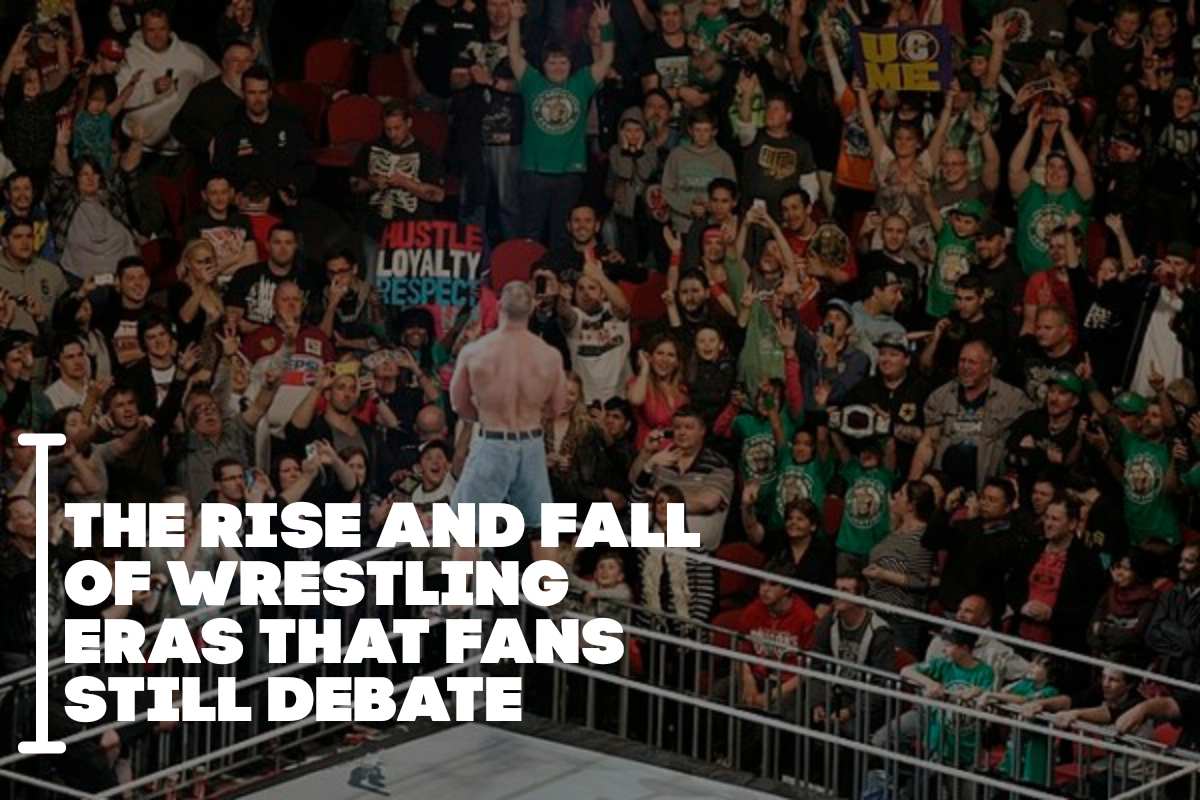
Rebranded WWE amid WWF lawsuit, the company monopolized with PG shifts post-2008. John Cena’s Superman persona and Undertaker streaks defined eras, while international PPVs expanded to Saudi Arabia (200M+ viewers). Performance Center trained global talent, exporting NXT stars like Finn Bálor.
Streaming via WWE Network (2014) democratized access, growing subscribers to 1.8M.
Modern Global Era and Competition Revival (2015-Present)
WWE’s Netflix deal (2025) and Saudi events underscore globalization, with tours in 30+ countries. AEW’s rise (Tony Khan, 2019) revived competition via WarnerMedia deals, emphasizing wrestling purity with stars like Kenny Omega. NJPW’s crossovers and CMLL partnerships blend styles, while streaming fragments audiences across Peacock, Max, and YouTube.
Diversity—women’s divisions, international champions—mirrors global appeal, with $1B+ revenues.
FAQ
Q1: When did wrestling become scripted entertainment?
A: Late 19th century via carnival “hooks,” professionalized by Gold Dust Trio in 1920s.
Q2: What ended the territory system?
A: Vince McMahon Jr.’s 1983 national expansion with WWF syndication and Hulk Hogan.
Q3: Why was Attitude Era pivotal?
A: Monday Night Wars innovated storytelling; WWF bought WCW/ECW in 2001, dominating globally.
Q4: How did WWE go international?
A: Tours, PPVs in 100+ markets, Saudi events, and WWE Network streaming since 2014.
Q5: What’s current wrestling landscape?
A: WWE monopoly challenged by AEW, NJPW crossovers, diverse talent via Performance Center.