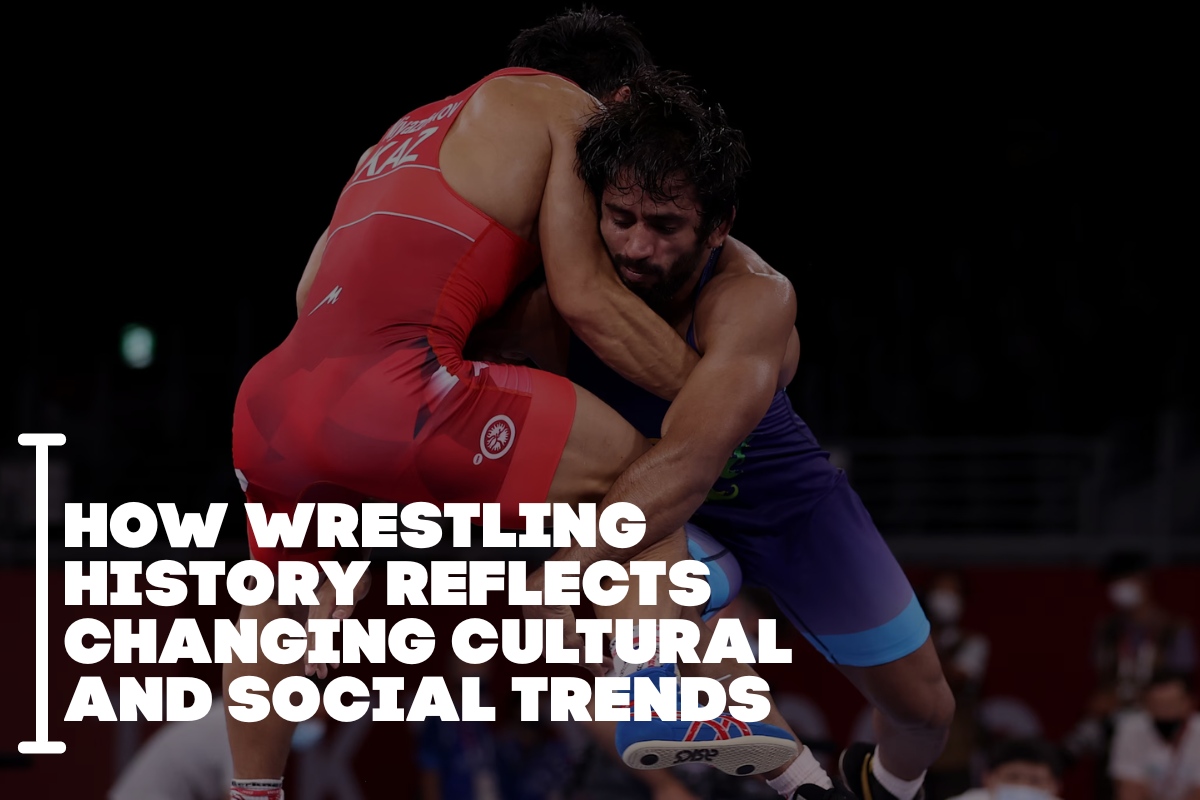
Professional wrestling originated as a carnival sideshow in 19th-century France and North America, evolving from legitimate contests into scripted spectacles that blend athleticism, theater, and storytelling. Its global spread transformed local cultures, from Japan’s disciplined puroresu to Mexico’s masked lucha libre, influencing pop culture, identity, and social narratives worldwide.
Early Origins in Europe and Carnivals
Wrestling traces to ancient civilizations but professionalized around 1830 in France, where troupes of strongmen like “Edward, the steel eater” challenged crowds for prizes, using flat-hand styles above the waist. By the late 1800s, it hit U.S. carnivals as catch-as-catch-can matches, with fixed outcomes emerging for excitement; Evan “Strangler” Lewis became a star, and George Hackenschmidt claimed the first world title in 1905.
Rise in America: Territories to TV Era

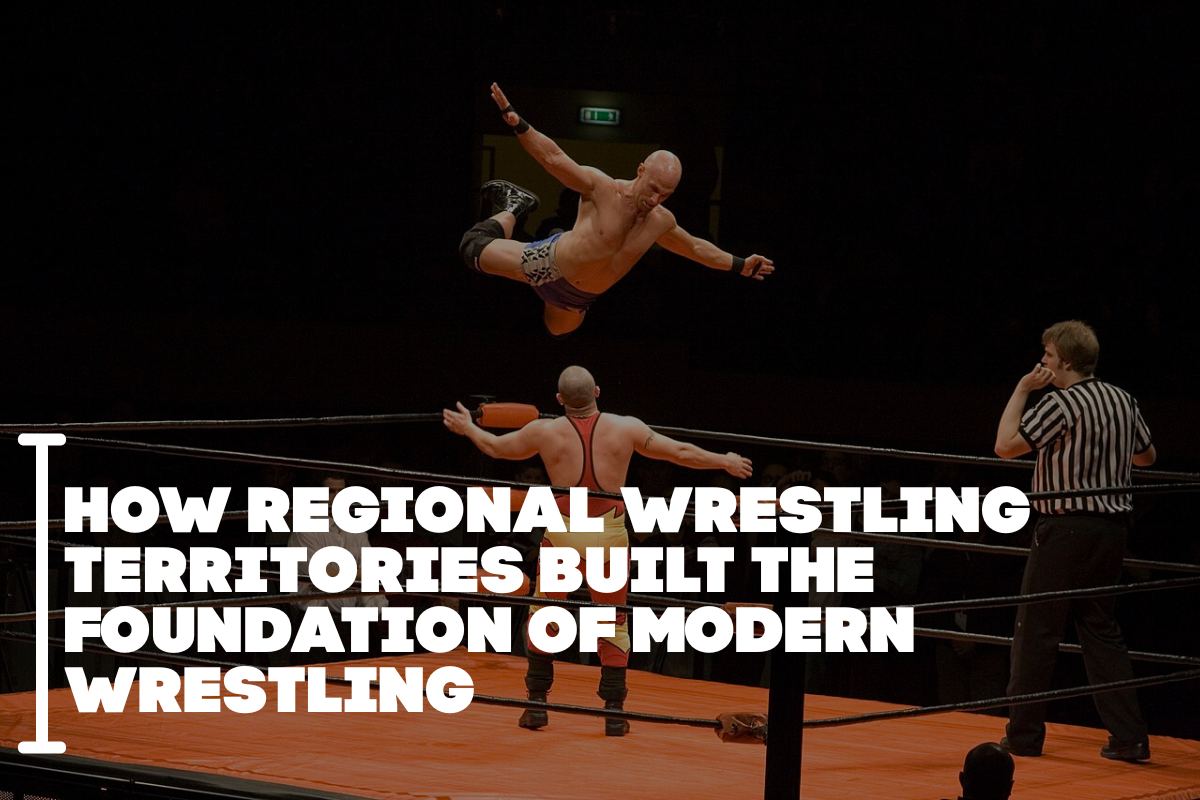
The 1920s-1950s saw promoters like Toots Mondt organize circuits, while the National Wrestling Alliance (NWA) formed in 1948 to unify territories under one champion. Television in the 1950s exploded popularity via stars like Gorgeous George, whose heel persona pioneered character-driven drama; Vince McMahon’s WWF nationalized it in the 1980s with Hulk Hogan’s boom.
Global Styles and Cultural Adaptations
Japan’s puroresu, inspired by U.S. imports post-WWII, emphasizes stiff strikes and athleticism through New Japan Pro-Wrestling (NJPW). Mexico’s lucha libre, born in the 1930s, features high-flying masked heroes symbolizing national pride. Senegal’s laamb blends wrestling with rituals for community rites, while India’s pehlwani revives ancient akharas.
Evolution and Modern Dominance
The 1990s Attitude Era with Stone Cold Steve Austin mirrored rebellion, leading WWE’s 2001 monopoly after absorbing WCW/ECW. Today, WWE, AEW, and NJPW draw global audiences via streaming, fostering crossovers.
Cultural Impact Worldwide

Wrestling shapes identities—Cold War heels like Nikolai Volkoff fueled geopolitics, women’s main events advanced gender roles, and it unites diverse fans through shared passion.
FAQs
When did professional wrestling begin?
Around 1830 in France as carnival troupes, shifting to scripted U.S. matches by the late 1800s.
What is the NWA’s role in wrestling history?
Formed in 1948, it unified U.S. territories with shared champions until the 1980s national era.

How did TV change pro wrestling?
1950s broadcasts made stars like Gorgeous George, expanding from regional to mass entertainment.
What makes lucha libre unique?
Mexico’s 1930s style with masks, acrobatics, and family dynasties as cultural symbols.
Why is wrestling culturally significant globally?
Adapts to local traditions like Japan’s puroresu or Senegal’s rituals, bridging communities.