When WrestleMania debuted in 1985, it was more than a wrestling event—it was a bold experiment that permanently reshaped professional wrestling. By combining sports, entertainment, celebrity culture, and large-scale spectacle, WrestleMania transformed wrestling from a regional attraction into a global entertainment industry. Its influence can still be felt today in how wrestling is produced, marketed, and consumed worldwide.
Wrestling Before WrestleMania
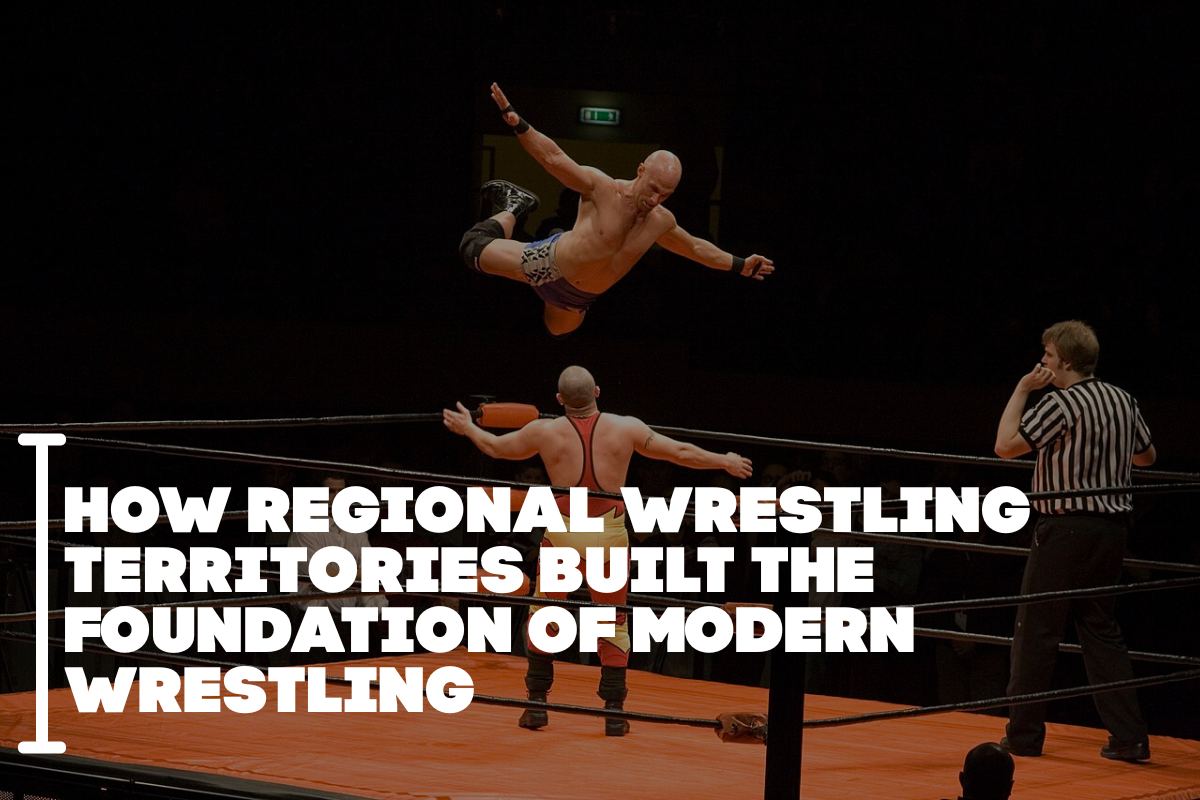
Before WrestleMania, professional wrestling was largely territorial. Regional promotions operated independently, each catering to local audiences with limited national exposure. Television existed, but production values were modest, and major events rarely reached beyond specific markets.

Live wrestling shows were important, but they were typically held in arenas rather than massive stadiums. Wrestling was popular, but it lacked the unified national identity and mainstream credibility enjoyed by other major entertainment industries.
The Vision Behind WrestleMania
WrestleMania was the brainchild of Vince McMahon, who envisioned wrestling as a form of mass entertainment rather than a niche sport. Under the banner of the World Wrestling Federation (now WWE), McMahon took an unprecedented financial risk by staging a wrestling event on a scale comparable to the Super Bowl.
The first WrestleMania combined high-profile matches with celebrity involvement, national television distribution, and a grand presentation that had never been attempted in wrestling before. If it failed, it could have ended the company. Instead, it changed everything.
Merging Wrestling with Mainstream Entertainment

One of WrestleMania’s most revolutionary contributions was blending wrestling with pop culture. Celebrities, musicians, and athletes became part of the spectacle, attracting viewers who might not otherwise watch wrestling.
Appearances by stars such as Mr. T and Cyndi Lauper at the first WrestleMania helped legitimize wrestling as mainstream entertainment. This crossover appeal set a new standard, making wrestling culturally relevant and commercially attractive to sponsors and media outlets.
Creating the “Supercard” Event Model
WrestleMania established the concept of the annual “supercard”—a must-see event built around months of storytelling and rivalries. Feuds were no longer just weekly television angles; they were long-term narratives designed to peak on the biggest stage.

This model changed how wrestling stories were told. Championships, personal grudges, and career-defining moments were all elevated by WrestleMania’s scale. Other promotions eventually adopted similar approaches, creating their own flagship events inspired by WrestleMania’s success.
Elevating Wrestlers into Global Superstars
WrestleMania played a major role in turning wrestlers into household names. Performers like Hulk Hogan, The Undertaker, and later Stone Cold Steve Austin became cultural icons through memorable WrestleMania moments.
These stars transcended wrestling, appearing in movies, television, and advertising. WrestleMania provided the platform that amplified their personas to a global audience, fundamentally changing how wrestlers were perceived and marketed.
Transforming Production and Presentation Standards
WrestleMania raised expectations for how wrestling should look and feel. Elaborate stages, pyrotechnics, dramatic lighting, and cinematic entrances became standard features of major wrestling events.
This emphasis on spectacle influenced not only WWE but the entire industry. Production quality became a competitive factor, pushing promotions to invest more in presentation, storytelling, and fan experience.
Establishing Wrestling as a Global Business
As WrestleMania grew, so did its international reach. Broadcast globally and later distributed through pay-per-view and streaming platforms, the event helped wrestling expand into new markets.
Hosting WrestleMania in major cities turned it into a week-long cultural and economic phenomenon, drawing fans from around the world. This global focus helped transform WWE into an international brand and positioned wrestling as a worldwide entertainment product.
Changing How Wrestling Is Monetized
WrestleMania revolutionized wrestling economics. It demonstrated the financial potential of pay-per-view, merchandise, sponsorships, and destination events. The success of WrestleMania showed that wrestling could generate massive revenue beyond ticket sales.
This business model reshaped the industry, encouraging long-term brand building and diversified income streams that are now standard across major promotions.
WrestleMania’s Lasting Legacy
Decades later, WrestleMania remains the centerpiece of professional wrestling. It is not just an event, but a symbol of what wrestling can achieve when storytelling, spectacle, and business strategy align.
Every major wrestling promotion today operates in a landscape shaped by WrestleMania’s influence—from event planning and talent development to marketing and fan engagement.
Frequently Asked Questions (FAQ)
Q. Why was WrestleMania such a big risk initially?
It required massive financial investment and national distribution at a time when wrestling was still largely regional.
Q. How did WrestleMania change wrestling storytelling?
It introduced long-term narratives designed to climax on a single, annual mega-event.
Q. Did WrestleMania help wrestling become mainstream?
Yes. Celebrity involvement and large-scale promotion brought wrestling into popular culture.
Q. Is WrestleMania still influential today?
Absolutely. It continues to set industry standards for presentation, storytelling, and business success.
Q. Did other promotions copy the WrestleMania model?
Yes. Many promotions now host their own annual flagship events inspired by WrestleMania.
WrestleMania did more than create a successful wrestling show—it redefined an entire industry. By transforming wrestling into a global entertainment spectacle, it changed how events are produced, how stars are created, and how stories are told. In doing so, WrestleMania ensured that professional wrestling would never again be confined to regional boundaries, securing its place on the world stage forever.