The Monday Night Wars represent one of the most influential periods in professional wrestling history. What began as a ratings competition between two televised wrestling shows evolved into a cultural battle that reshaped the business, transformed fan expectations, and permanently changed how wrestling was produced, marketed, and consumed. The effects of this era continue to influence professional wrestling today.
What Were the Monday Night Wars?
The Monday Night Wars refer to the head-to-head television rivalry between World Wrestling Federation and World Championship Wrestling during the mid-to-late 1990s. Each company aired live wrestling programming on Monday nights, competing directly for viewership, ratings, and cultural relevance.

This weekly competition forced both promotions to innovate rapidly or risk losing audience share.
Competition Forced Creative Risk-Taking
Before the Monday Night Wars, wrestling programming followed predictable formulas. Competition changed that overnight.
To win viewers, both companies:
- Introduced unpredictable storylines
- Increased cliffhangers and surprise moments
- Pushed creative boundaries

Wrestling became faster-paced, more dramatic, and less formulaic, raising audience expectations permanently.
The Rise of Edgier Content and the Attitude Shift
One of the most visible transformations was the move toward edgier, more mature content. Wrestling reflected broader pop culture trends of the 1990s, including anti-authority themes and raw realism.
This era:
- Attracted older and more diverse audiences
- Increased ratings and mainstream attention
- Changed the tone of wrestling storytelling

Wrestling evolved from family-oriented entertainment into a prime-time cultural phenomenon.
Live Television Became Essential
The Monday Night Wars established live television as a competitive weapon. Pre-taped shows were vulnerable to spoilers, while live broadcasts delivered urgency and unpredictability.
This shift:
- Increased real-time viewing
- Encouraged appointment television
- Made weekly shows must-watch events
Live broadcasting remains a cornerstone of modern wrestling programming.
Star Power Became the Primary Growth Engine
The rivalry elevated individual wrestlers into mainstream stars. Characters became larger than life, and personal rivalries drove ratings.
The era demonstrated that:
- Strong personalities draw viewers
- Character development matters as much as in-ring skill
- Star-driven storytelling boosts brand loyalty
Modern wrestling still relies heavily on this star-centric model.
Fan Engagement Intensified Dramatically
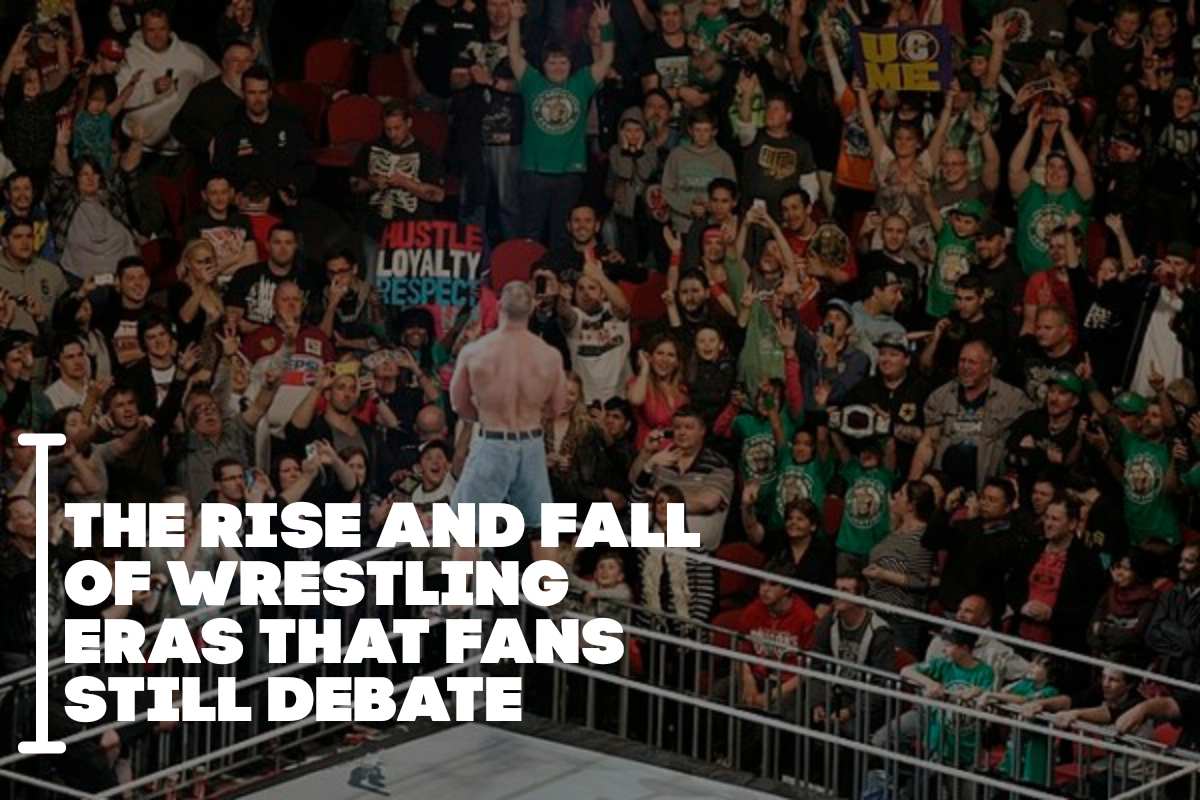
Fans became more invested than ever. With two competing products, audiences actively chose sides and followed weekly developments closely.
This created:
- Increased fan loyalty
- Passionate debates and tribalism
- A deeper emotional connection to storylines
Wrestling fandom became more interactive and vocal.
Marketing and Branding Evolved Rapidly
The competition forced promotions to sharpen branding and marketing strategies.
Innovations included:
- Distinct visual identities
- Aggressive promotional tactics
- Cross-promotion with pop culture
Wrestling became more self-aware and media-savvy.
Production Quality Improved Across the Industry
To stand out, both companies invested heavily in production value.
This led to:
- Improved camera work
- Flashier entrances
- Better sound and lighting
The visual presentation of wrestling advanced significantly and set new industry standards.
Ratings Pressure Changed Business Decision-Making
With weekly ratings as the primary scorecard, business decisions became faster and more reactive.
This resulted in:
- Shorter creative cycles
- Rapid storyline shifts
- Immediate response to audience reactions
While risky, this responsiveness made wrestling feel alive and dynamic.
The End of the Wars and Industry Consolidation
Eventually, financial and strategic factors ended the rivalry. One company emerged as the dominant force, bringing the competitive era to a close.
Despite the outcome, the damage—and progress—was done:
- Wrestling had permanently evolved
- Audience expectations had changed
- The business became more television-driven
The industry would never return to its pre-war state.
Long-Term Impact on Modern Wrestling
The Monday Night Wars reshaped wrestling in lasting ways.
Their legacy includes:
- Emphasis on live, weekly television
- Storylines built around character and shock value
- Fan-centric presentation
- Wrestling as mainstream entertainment
Modern wrestling promotions still operate within the framework established during this period.
A Defining Era in Wrestling History
The Monday Night Wars transformed wrestling from a niche entertainment product into a major pop culture force. Competition forced innovation, creativity, and evolution at every level of the business.
While the rivalry itself ended, its influence lives on in how wrestling is written, produced, and experienced. The wars proved that competition doesn’t just create winners and losers—it can redefine an entire industry.
Frequently Asked Questions (FAQ)
Q. Why were the Monday Night Wars so important?
They forced rapid innovation and permanently changed wrestling’s creative and business models.
Q. Did the rivalry help wrestling grow?
Yes. It significantly increased ratings, mainstream visibility, and fan engagement.
Q. Why was live television so important during this era?
Live broadcasts prevented spoilers and created urgency, making shows feel unpredictable.
Q. Did the wars change wrestling storytelling?
Yes. Storylines became edgier, faster, and more character-driven.
Q. Does modern wrestling still reflect this era?
Absolutely. Many current practices were shaped directly by lessons learned during the Monday Night Wars.