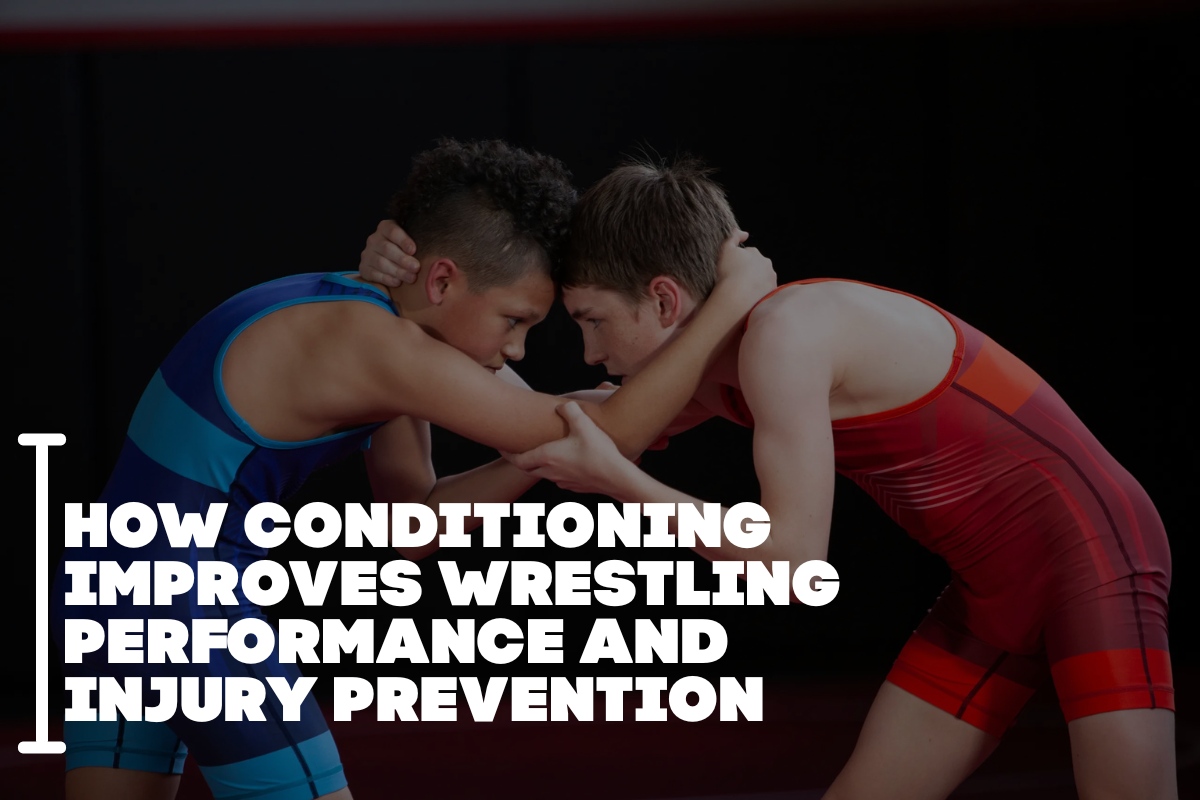
Fundamental wrestling holds form the backbone of professional performances, enabling control, transitions, and believable storytelling for aspiring wrestlers early in their careers. Mastering these builds chain wrestling sequences, safety in bumps, and credibility before advancing to high spots.
Collar-and-Elbow Tie-Up
The collar-and-elbow starts every match, gripping the opponent’s head and elbow to test strength and set up chains. It teaches posture, grip pressure, and explosive transitions like go-behinds or headlocks, essential for mat flow and avoiding sloppy locks.
Side Headlock

Apply by snatching the head sideways, controlling posture with one arm while basing feet for takedowns or whips. Counters like headlock takeover or escape build psychology; it’s a safe rest hold that sells fatigue realistically.
Arm Drag and Wrist Lock
From a tie-up, wrench the wrist to flip the opponent via arm drag, chaining to hammerlocks or pins. Wrist locks stretch joints safely, teaching limb control and reversals fundamental to submissions and transitions.
Hammerlock and Chicken Wing
Twist the arm behind the back (hammerlock) or upward (chicken wing) for top control or punishment. These breakdowns wear opponents, leading to rides or pins, mirroring amateur mat dominance.
Abdominal Stretch and Camel Clutch
Stretch the torso sideways or arch the back with chin pull for dramatic selling. They expose vulnerabilities for strikes, building heel heat while training core stability and bridge escapes.
Training Priorities
Drill chains like tie-up to headlock to arm drag daily, focusing on crisp execution and selling. Pair with bumps for safe progression.
FAQs
Why start with collar-and-elbow?
Sets match pace, builds tension, and chains to all basics safely.

What makes side headlock essential?
Universal control hold with counters for storytelling.
How does arm drag benefit beginners?
Teaches momentum flips and reversals fluidly.
Why master hammerlock early?
Controls topside, preps submissions and pins.
Are abdominal stretches safe for training?
Yes, builds flexibility with low injury risk when sold properly.