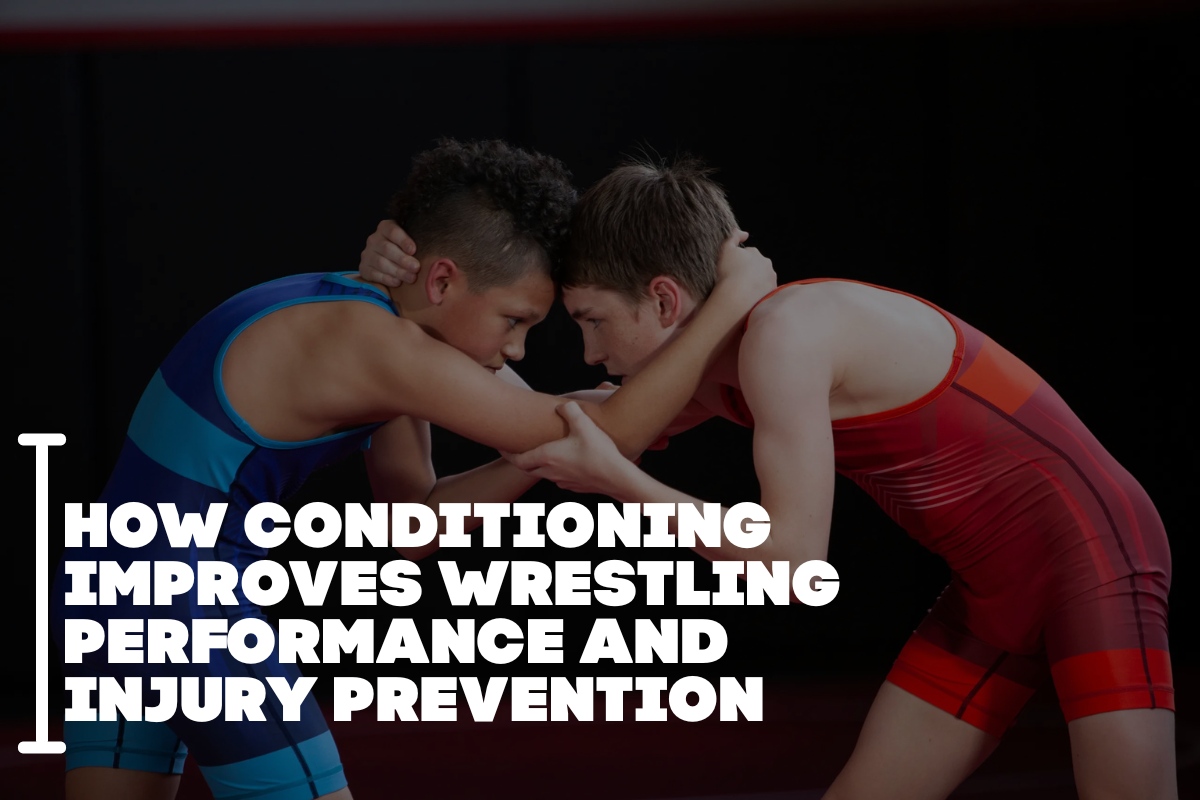
Professional wrestling is often described as a blend of athleticism, storytelling, and trust. While the spectacle may look chaotic, every movement inside the ring is carefully coordinated. At the heart of this coordination lies timing—the single most important factor in executing wrestling moves safely. Proper timing protects performers from injury, enhances match quality, and preserves the illusion of competition that defines wrestling entertainment.
Wrestling as a Cooperative Performance
Unlike legitimate combat sports, professional wrestling is a cooperative performance where two or more athletes work together to create the appearance of conflict. Moves are not about overpowering an opponent but about synchronization. Even the most dangerous-looking maneuvers rely on precise timing between the person delivering the move and the person receiving it.

Promotions such as WWE and All Elite Wrestling place heavy emphasis on timing during training because a split-second error can lead to serious injury.
Why Timing Is More Important Than Strength
Many wrestling injuries occur not because a move is inherently dangerous, but because it is mistimed. Strength alone cannot compensate for poor coordination.
Correct timing ensures:
- The receiver is ready to protect themselves
- The giver can guide, not force, the movement
- Impact is distributed safely across the body
- Momentum works with the move, not against it

For example, in a suplex, the recipient must jump at the right moment. Without that timing, the lifter bears too much load, increasing the risk of spinal or shoulder injuries.
Protecting the Opponent: A Shared Responsibility
Wrestling safety is a shared responsibility. Timing allows wrestlers to “take” a move safely by adjusting body position, bracing for impact, or rolling through contact.
Key safety principles tied to timing include:
- Bumping correctly: Landing flat to spread impact
- Selling appropriately: Reacting at the right moment to avoid awkward collisions
- Spacing awareness: Knowing where bodies are in relation to ropes and corners

Mistimed reactions can result in head collisions, joint damage, or missed landings—especially during fast-paced sequences.
High-Risk Moves Demand Perfect Timing
Aerial and high-impact maneuvers leave little margin for error. Moves from the top rope, springboards, dives, and catches rely entirely on synchronized timing.
If the catcher moves too early or too late:
- The flyer may over-rotate
- Weight may shift unexpectedly
- Falls may become uncontrolled
This is why many experienced wrestlers say “timing saves lives”—especially in matches involving high-flying styles.
Timing and Match Flow
Beyond safety, timing directly affects match quality. Wrestling relies on rhythm—moments of action, pause, escalation, and recovery. Poor timing disrupts this rhythm and increases risk.
Good timing allows:
- Clean transitions between moves
- Safe counters and reversals
- Proper pacing to avoid fatigue-related mistakes
Fatigue itself affects timing, which is why conditioning and experience are crucial to long matches.
Communication and Timing
Timing is reinforced through constant in-ring communication. Wrestlers use subtle cues:
- Eye contact
- Grip pressure
- Body positioning
- Verbal signals disguised as trash talk
These cues help performers adjust timing in real time, especially when something goes wrong. Veterans are particularly skilled at slowing a match or improvising safely when timing is off.
Training Timing From Day One
Wrestling schools emphasize timing before flashiness. Trainees learn:
- How to run the ropes in sync
- How to execute basic lock-ups safely
- How to fall correctly on cue
- How to wait for an opponent to be ready
Only after mastering timing are students encouraged to attempt advanced maneuvers. This progression is essential for long-term career safety.
Tag Team and Multi-Person Timing
Timing becomes even more critical in tag team and multi-person matches. Wrestlers must be aware not only of their opponent but of everyone in the ring.
Mistimed entries or double-team moves can:
- Cause collisions
- Lead to unplanned impacts
- Put referees and partners at risk
The best tag teams are praised not just for chemistry, but for flawless timing.
When Timing Goes Wrong
History has shown that many serious wrestling injuries stem from mistimed execution rather than reckless intent. Slips, delayed reactions, or miscommunication can turn routine moves into dangerous situations.
This is why experienced wrestlers prioritize:
- Slowing down when necessary
- Adjusting move sets based on opponent skill
- Avoiding unnecessary risks when timing feels off
Smart wrestling is safe wrestling.
Timing Builds Trust
Above all, timing builds trust between performers. When wrestlers trust each other’s timing, they can perform confidently and creatively. That trust allows matches to feel intense without being reckless.
Trust is earned through:
- Consistent timing
- Respect for safety
- Clear communication
- Professional discipline
Without trust, even simple moves become dangerous.
Frequently Asked Questions (FAQs)
1. Why is timing so important in wrestling?
Because wrestling is cooperative, proper timing ensures moves are executed safely and injuries are avoided.
2. Can strong wrestlers compensate for bad timing?
No. Strength cannot replace coordination—poor timing increases injury risk regardless of strength.
3. Are high-flying moves more dangerous due to timing?
Yes. Aerial moves leave little room for error and rely heavily on precise timing between performers.
4. How do wrestlers communicate timing in matches?
Through subtle cues like grip pressure, positioning, eye contact, and quiet verbal signals.
5. Is timing taught early in wrestling training?
Yes. Timing and safety fundamentals are taught before advanced or high-risk moves are introduced.