
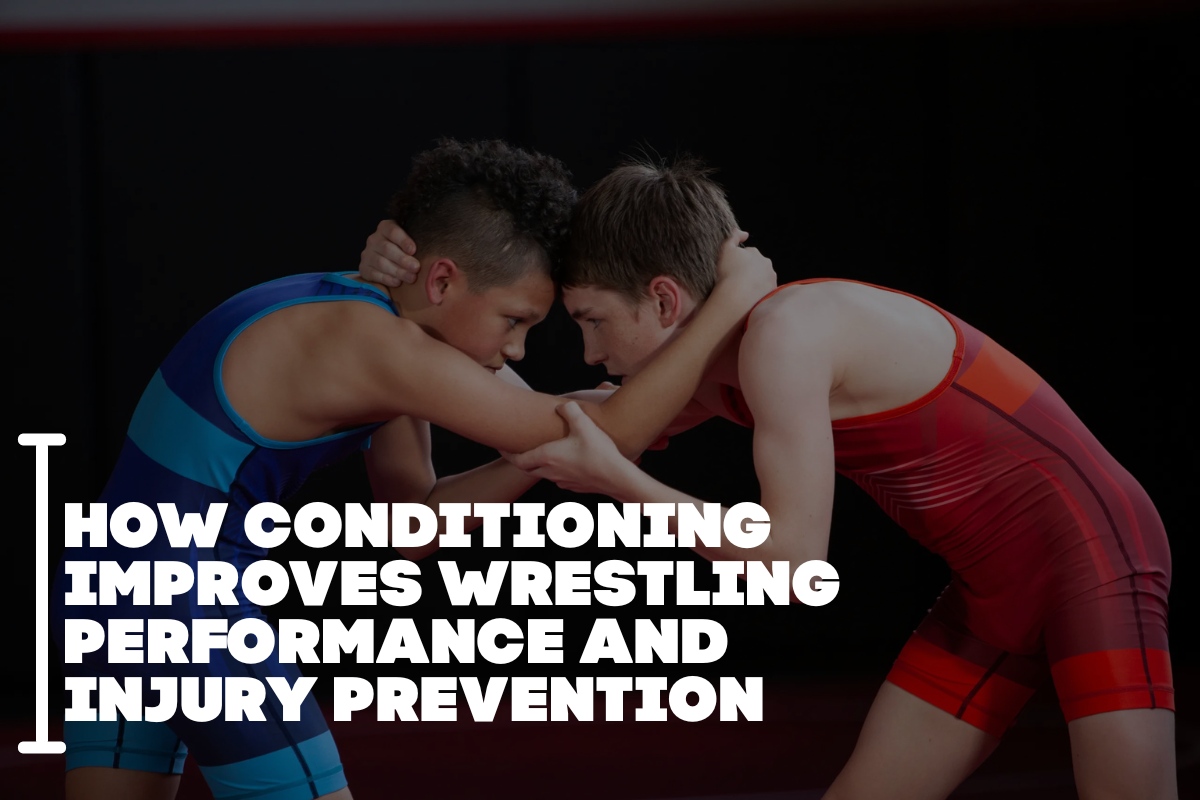
Professional wrestling demands a unique combination of athleticism, endurance, strength, agility, and mental toughness. Performers are expected to execute complex movements, absorb physical impact, and maintain high energy levels while entertaining an audience.
Conditioning—the structured development of physical fitness—plays a critical role in both improving in-ring performance and reducing the risk of injury. This article explores how proper conditioning supports wrestlers’ longevity, enhances their abilities, and protects their bodies over time.
Building Strength for Safer Execution
Strength training is one of the foundations of effective conditioning in wrestling. Wrestlers must lift, throw, and control opponents of varying sizes while maintaining stability and balance.
Developing functional strength in the core, legs, and upper body allows wrestlers to execute moves with better control and technique. Stronger muscles also support joints and reduce strain on ligaments and tendons. This added stability lowers the risk of common injuries such as shoulder dislocations, knee damage, and lower back pain.
When strength is built properly, wrestlers can perform more explosively while using less effort, which improves both performance quality and physical safety.
Improving Cardiovascular Endurance

Wrestling matches are physically demanding, often involving intense bursts of activity followed by brief recovery periods. Cardiovascular conditioning helps wrestlers maintain stamina throughout matches, reducing fatigue and preserving performance quality.
Better endurance allows wrestlers to breathe more efficiently, maintain sharper focus, and move with consistency even late in a match. Fatigue is a major contributor to poor technique, slower reactions, and sloppy execution—all of which increase injury risk. By improving heart and lung efficiency, conditioning helps wrestlers stay in control of their movements and decisions.
Enhancing Flexibility and Mobility
Flexibility and mobility training are essential for the dynamic movements required in wrestling. Wrestlers constantly twist, rotate, bend, and extend their bodies in unconventional positions.

Regular stretching and mobility work help maintain healthy joints and muscle elasticity. Greater flexibility allows the body to absorb impact more safely and reduces the likelihood of muscle strains, pulls, and joint injuries. Mobility training also improves movement quality, making transitions smoother and reducing unnecessary stress on the body.
A flexible body adapts better to the unpredictable nature of in-ring action.
Developing Balance and Coordination
Conditioning is not just about strength and endurance; it also improves balance, coordination, and body control. These qualities are critical in wrestling, where timing and positioning can determine both performance quality and safety.
Exercises that challenge stability—such as single-leg movements, agility drills, and core-focused training—help wrestlers develop better control over their bodies. Improved coordination allows performers to execute complex sequences more precisely, reducing the chance of awkward landings or miscommunication between opponents.
Supporting Faster Recovery and Longevity
Conditioning also plays a major role in recovery. Well-conditioned athletes typically recover more quickly between matches, training sessions, and tours. Proper conditioning improves circulation, supports muscle repair, and helps manage inflammation.
This ability to recover efficiently allows wrestlers to train consistently without overloading their bodies. Over time, it contributes to longer careers and fewer chronic injuries. Wrestlers who prioritize conditioning often experience better durability and sustained performance across years of competition.
Strengthening Mental Resilience
The benefits of conditioning extend beyond the physical. Training consistently builds mental toughness, discipline, and confidence. Wrestlers who know they are physically prepared often feel more confident in the ring, which enhances performance and reduces hesitation.
Mental resilience also helps performers manage stress, push through challenging matches, and remain focused under pressure. This psychological stability supports safer decision-making and better awareness during performance.
Creating a Culture of Injury Prevention
Modern wrestling increasingly recognizes the importance of conditioning as a proactive approach to health. Rather than simply reacting to injuries, many performers now prioritize prevention through structured training, proper warm-ups, cool-downs, and recovery routines.
This shift toward preventative conditioning supports a healthier industry overall. Wrestlers who invest in their physical preparation are more likely to perform at a high level while protecting their bodies from unnecessary harm.
Frequently Asked Questions
Why is conditioning so important for wrestlers?
Conditioning improves strength, endurance, flexibility, and coordination, which enhances performance while reducing the risk of injury during matches and training.
Can conditioning really prevent injuries?
While no training can eliminate all injuries, proper conditioning significantly lowers risk by strengthening muscles, protecting joints, improving movement quality, and reducing fatigue-related mistakes.
What types of conditioning are most important for wrestling?
A balanced approach is best, including strength training, cardiovascular fitness, flexibility, mobility, balance, and recovery-focused practices.
How does conditioning improve match performance?
Well-conditioned wrestlers have better stamina, sharper execution, smoother movement, and greater control, allowing them to perform more consistently and convincingly.
Does conditioning help with long-term career longevity?
Yes. Wrestlers who prioritize conditioning often experience fewer chronic injuries, recover more effectively, and maintain higher performance levels throughout their careers.
Is conditioning only for professional wrestlers?
No. Conditioning is valuable for wrestlers at all levels, including beginners and amateurs, as it builds safe habits and supports healthy athletic development from the start.


