In the world of professional wrestling, the ability to execute moves, tell a compelling story, and engage the crowd are all important. But ring awareness is the subtle, often overlooked factor that truly separates good wrestlers from great performers.
A wrestler with excellent ring awareness can maintain the flow of a match, keep themselves and their opponents safe, and create an experience that feels natural, exciting, and immersive. It is a skill that can be developed through years of experience, but it ultimately shapes the difference between a decent wrestler and a superstar.
What Is Ring Awareness?

Ring awareness refers to a wrestler’s ability to navigate the wrestling ring in an efficient, safe, and intuitive manner. It involves knowing where you are in the ring at all times, understanding your position relative to your opponent, the ropes, the turnbuckle, and the crowd, and anticipating how to adapt to various match situations. It’s not just about executing moves—it’s about doing so in a way that enhances the flow of the match and keeps everything in sync.
Key Elements of Ring Awareness:
- Spatial Awareness: Understanding where you and your opponent are in the ring and how your movements affect the match’s flow.
- Timing and Positioning: Knowing when to move, when to sell, and when to transition between moves for maximum impact.
- Safety Considerations: Being conscious of your opponent’s safety while performing moves, particularly during high-risk or complex sequences.
- Crowd Engagement: Using the ring and your positioning to enhance crowd interaction, whether it’s drawing attention to a moment of drama or setting up a high spot.
Keeping the Match Flowing
Good wrestlers can execute moves, but great wrestlers know how to keep the action flowing seamlessly from one moment to the next. Ring awareness ensures that a match doesn’t stall or feel disjointed. Wrestlers must constantly assess the energy of the crowd and adjust their pacing accordingly.
How ring awareness helps with pacing:
- Flowing transitions: Great wrestlers naturally transition between sequences of moves, allowing the match to maintain its rhythm.
- Energy control: Knowing when to speed up or slow down keeps the match exciting without overwhelming the crowd or causing unnecessary fatigue.
- Timing spots: Knowing when to hit a big spot or when to take a breather ensures that the action always feels fresh and engaging.
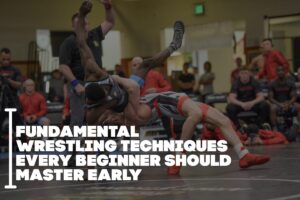
A wrestler who understands the importance of pacing can create a more emotionally rewarding experience for both the live audience and those watching at home.
Awareness of Space and Positioning
An essential aspect of ring awareness is understanding the layout of the ring at all times. Wrestlers must be able to move fluidly within the confines of the squared circle, ensuring they stay within the boundaries of the action while also making use of every corner, rope, and turnbuckle.
Examples of spatial awareness in wrestling:
- Rope positioning: Knowing how to use the ropes to propel yourself into high-impact moves or how to avoid getting trapped in them.
- Utilizing the turnbuckle: Properly positioning yourself or your opponent against the turnbuckle for dramatic moments, from a “10 punches” sequence to an aerial move.
- Opponent’s positioning: Recognizing where your opponent is at all times to either execute or avoid a move, setting up counters or reversals.

A wrestler with great ring awareness can control the environment, using the space around them to their advantage, enhancing both the safety and impact of their performance.
Safety and Control
Wrestling is inherently dangerous, and ensuring the safety of both yourself and your opponent is the highest priority. Ring awareness plays a significant role in reducing the risk of injury. A wrestler who is aware of the position of both themselves and their opponent can adjust their moves to prevent miscommunications and protect both parties from harm.
Safety elements of ring awareness include:
- Avoiding dangerous positions: Knowing when a particular move could put one of you in a vulnerable position, such as being too close to the ropes or near the hard edges of the ring.
- Spacing for impact: Making sure that a suplex or powerbomb is executed with enough space for a safe landing.
- Proactive injury prevention: Adjusting moves when necessary, especially if something goes wrong, or if an opponent is injured mid-match.
By maintaining awareness of their own position and their opponent’s body, great wrestlers ensure that even the most physically demanding spots are executed safely.
Enhancing Storytelling Through Ring Awareness
Professional wrestling is as much about storytelling as it is about physicality. Ring awareness enhances storytelling by making every move feel purposeful, adding depth to character arcs, and immersing the audience in the drama unfolding in the ring.
Examples of storytelling through ring awareness:
- Selling the impact: Knowing how to react to a blow or hold so it emphasizes the pain or struggle. The right positioning makes the story more compelling by allowing the wrestler to express vulnerability or resilience.
- Working the crowd: Great wrestlers are aware of where the crowd is and use this awareness to react, making eye contact, taunting, or using the environment to build the story.
- Building suspense: Ring awareness allows a wrestler to pace the action, building towards a climax that keeps the audience emotionally invested.
Every movement, every reaction in the ring becomes part of the larger narrative, creating a cohesive and emotionally charged storyline that draws fans deeper into the drama.
Timing and Anticipation
Ring awareness is not just about physical space—it’s also about timing. Great wrestlers anticipate their opponent’s next move and position themselves accordingly, creating a more fluid and exciting match. Timing is essential in building suspense, executing dramatic near-falls, and setting up high spots.
How timing is enhanced by ring awareness:
- Setting up counters and reversals: A wrestler with great ring awareness can smoothly transition from one move to another, building anticipation for the next sequence.
- Timing near-falls: By reading the audience’s energy and knowing when the match is reaching a high point, wrestlers can time near-falls to maximize excitement.
- Spot placement: Knowing when to position themselves or their opponent for a high-impact move ensures that the audience feels the intensity of each moment.
The ability to “feel” the right moment in a match is a hallmark of great ring awareness and is key to keeping the crowd on the edge of their seats.
Building Chemistry With Your Opponent
Great wrestlers aren’t just aware of the ring; they are highly attuned to the movements of their opponents. Building chemistry with a wrestling partner is vital for creating a smooth and cohesive match. A wrestler with good ring awareness will constantly read their opponent’s body language, anticipate their movements, and adjust accordingly to maintain fluidity and excitement.
Building chemistry through ring awareness includes:
- Understanding timing: Knowing when your opponent will be ready for the next move ensures seamless transitions and avoids awkward pauses.
- Adapting to your opponent’s style: Whether they’re a high-flyer, powerhouse, or technician, knowing how to work with different wrestling styles makes the match more dynamic.
- Ensuring safe execution: Communicating with your opponent through subtle movements, making sure that both wrestlers are in the right position for safe execution.
Good chemistry is built on mutual awareness, trust, and coordination, which is what allows wrestlers to tell a compelling story while maintaining the flow of a match.
Ring awareness is the unseen skill that separates good wrestlers from truly great performers. It enhances safety, improves timing, allows for better storytelling, and deepens the emotional connection with fans.
Wrestlers with excellent ring awareness know how to use the space around them, anticipate moves, and work with their opponent to create fluid, exciting matches. By honing these skills, wrestlers can elevate their performance and ensure that their matches resonate long after the final bell rings.
Frequently Asked Questions (FAQs)
Q. What exactly is ring awareness in wrestling?
Ring awareness refers to a wrestler’s ability to understand their position in the ring, anticipate their opponent’s movements, and adjust accordingly to create smooth, safe, and exciting matches.
Q. Why is ring awareness so important for safety?
It allows wrestlers to position themselves and their opponents in ways that minimize the risk of injury while still performing complex moves.
Q. Can ring awareness be learned, or is it instinctual?
While some aspects of ring awareness may come instinctively, it is largely developed through experience, training, and understanding the flow of wrestling matches.
Q. How does ring awareness affect storytelling in wrestling?
By positioning themselves effectively, maintaining pacing, and responding to crowd energy, wrestlers can use ring awareness to enhance the emotional depth and narrative flow of their matches.
Q. What are some common mistakes wrestlers make when lacking ring awareness?
Common mistakes include disjointed transitions, misjudging the timing of moves, and failing to position themselves or their opponent safely, leading to awkward moments or potential injuries.