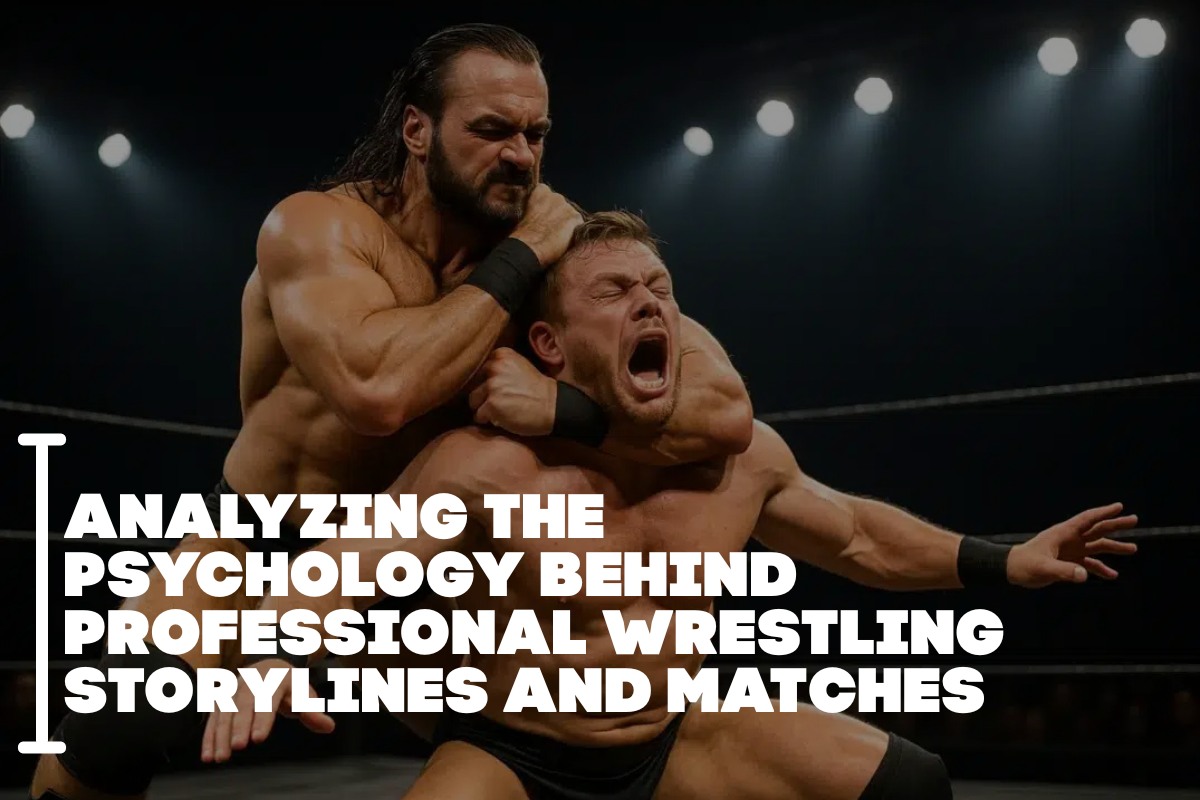
Professional wrestling masterfully blends athleticism with narrative psychology, manipulating emotions through kayfabe—the suspension of disbelief where scripted drama feels authentic. Wrestlers employ “ring psychology” to craft matches as stories, using pacing, selling, and crowd cues to evoke tension, catharsis, and investment. This psychological layering turns feuds into archetypes of heroism versus villainy, fostering fan loyalty and cultural impact.
Ring Psychology: Storytelling in Motion
Ring psychology structures matches into acts: shine (face dominance), heat (heel control), hope spots (brief comebacks), and climax (finish). Wrestlers sell moves convincingly—facial expressions convey pain or defiance—building realism despite predetermined outcomes. Pauses amplify drama, like Bret Hart targeting Shawn Michaels’ back for callbacks, mirroring narrative arcs in film.

Crowd reactions guide adjustments; boos signal effective heels, while cheers validate faces, creating symbiotic energy.
Character Archetypes and Emotional Hooks
Babyfaces (heroes) embody resilience, drawing empathy via underdog struggles; heels (villains) provoke outrage through cheating or arrogance, fulfilling justice fantasies. Ric Flair’s flamboyant promos exploited schadenfreude, while Stone Cold Austin’s anti-authority rage tapped rebellion. These personas leverage archetypes—Joseph Campbell’s hero’s journey—making fans vicariously triumph.
Gimmicks like The Undertaker’s mystique sustain immersion, blurring fiction and reality for deeper attachment.
Fan Psychology: Investment and Catharsis
Wrestling exploits social proof and emotional contagion; crowds amplify individual reactions, turning boos into roars. Fans self-identify as “universe” participants via voting or chants, heightening stakes. Attitude Era edginess provided catharsis for frustrations, while modern PG shifts emphasize aspiration. Psychology flaws—like prolonged champions turning faces into heels—explain fickle cheers, as underdogs evoke natural sympathy.
Kayfabe breaks, like Roman Reigns’ leukemia reveal, forge real bonds, blending performance with humanity.
Cognitive Dissonance and Suspension of Disbelief
Viewers reconcile athletic feats with scripts via motivated reasoning, focusing on drama over legitimacy. “Smart marks” knowing outcomes invest in execution, rewarding psychological depth like callbacks (early leg work leading to figure-four). This dissonance sustains engagement, akin to soap operas, where emotional payoff trumps logic.

Wrestlers maintain kayfabe mentally, embodying personas to enhance authenticity and personal identity.
Evolution of Psychological Tactics
Carnival roots emphasized carny psychology—hype via hooks—evolving to TV’s close-ups amplifying expressions. Attitude Era added psychological warfare in promos, like DX’s mind games. Modern indies prioritize long-term arcs, with AEW’s Omega/Page trilogy layering betrayal and redemption. Data analytics now track crowd heat, refining psychology algorithmically.
Globalization adapts culturally—stoic Japan favors technical sells versus bombastic U.S. flair.
Impact on Wrestlers’ Mental Health
Intense psychology demands emotional labor; heels absorb hate, risking burnout, while faces carry hope. Veterans like Mick Foley navigated via compartmentalization, but breaks like CM Punk’s highlight pressures. Positive immersion builds confidence, yet blurred lines challenge work-life balance.
FAQ
Q1: What is ring psychology?
A: Storytelling via match structure—shine, heat, hope spots—using sells and pacing for drama.
Q2: How do archetypes engage fans?
A: Babyfaces evoke empathy, heels outrage, mirroring hero-villain journeys for catharsis.
Q3: Why do fans stay invested despite knowing scripts?
A: Emotional contagion, callbacks, and dissonance focus on execution over outcomes.
Q4: What causes fan fickleness?
A: Prolonged champs become heels psychologically; underdogs draw natural cheers.
Q5: How affects wrestlers mentally?
A: Emotional labor risks burnout, but kayfabe immersion boosts performance.