Professional wrestling promos have evolved dramatically over the decades, transforming from simple interviews into cultural moments that spread instantly across the internet. While wrestling has always relied on storytelling, the way wrestlers communicate with audiences has shifted alongside changes in media, audience expectations, and production technology. This evolution reflects how wrestling itself has adapted to remain relevant, emotional, and globally influential.
The Early Era: Straightforward Interviews and Character Introductions
In wrestling’s early televised years, promos were primarily framed as interviews. Wrestlers spoke directly to an interviewer or camera, explaining who they were and why they wanted to win an upcoming match.
These promos were typically short, direct, and focused on selling live events. The emphasis was less on emotional depth and more on clarity. Characters were often exaggerated, and promos served as a simple narrative bridge between matches.
The goal was functional storytelling: establish the hero, define the villain, and encourage fans to buy tickets.
The Rise of Personality-Driven Promos
As wrestling gained broader television exposure, promos began to emphasize personality over pure explanation. Wrestlers were encouraged to develop unique voices, catchphrases, and delivery styles that set them apart.

Performers such as Dusty Rhodes introduced more emotional, personal storytelling, blending realism with performance. Promos became less scripted in tone, allowing wrestlers to connect with audiences on a human level.
This shift marked the beginning of promos as character-defining moments rather than simple marketing tools.
The 1980s Boom and Larger-Than-Life Delivery
During wrestling’s mainstream boom, promos became theatrical spectacles. Organizations like the World Wrestling Federation emphasized bold characters, dramatic language, and high-energy delivery.

Stars such as Hulk Hogan used intense, passionate promos filled with repetition and crowd engagement. These speeches weren’t subtle, but they were effective, turning wrestlers into pop-culture icons.
Promos at this stage were designed to be memorable, quotable, and instantly recognizable, even to casual viewers.
The Attitude Era: Reality, Edge, and Raw Emotion
The late 1990s marked a major turning point in promo evolution. Wrestling embraced more realistic dialogue, mature themes, and blurred lines between fiction and reality.
Performers like Stone Cold Steve Austin and The Rock revolutionized promos with conversational delivery, humor, and sharp verbal confrontations. Promos became less about shouting and more about timing, wit, and authenticity.
This era elevated promos to must-see television, often rivaling matches in importance and impact.
The Shift Toward Narrative Depth and Character Psychology
As wrestling storytelling matured, promos increasingly focused on motivation, internal conflict, and long-term character development. Wrestlers began addressing failures, doubts, and personal struggles within their characters.
Promos were no longer just about winning championships—they explored why winning mattered. This psychological depth allowed audiences to invest emotionally in characters beyond wins and losses.
This evolution helped wrestling appeal to viewers who valued storytelling as much as spectacle.
The Digital Age and the Birth of Viral Promos
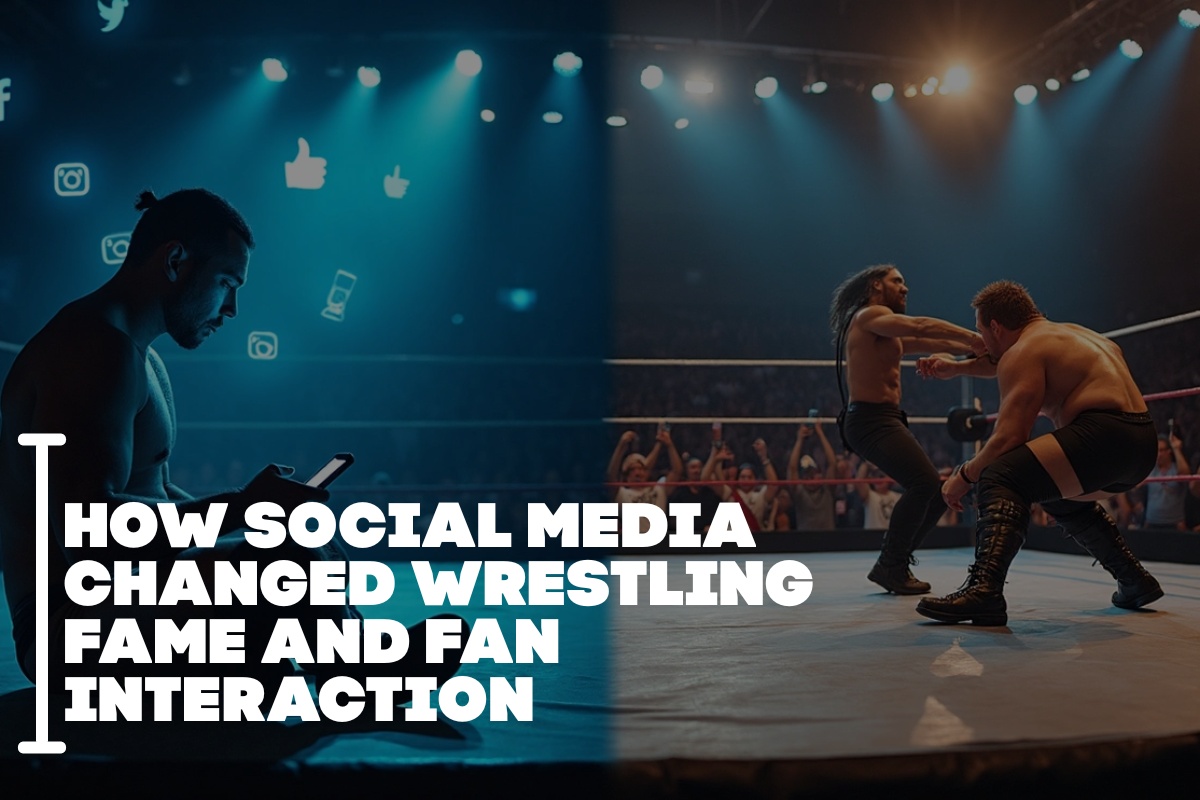
Social media fundamentally changed how promos are consumed. No longer confined to live broadcasts, promos now circulate instantly across platforms, reaching audiences far beyond traditional wrestling fans.
Moments such as CM Punk’s infamous unscripted-style promos demonstrated how powerful authenticity feels in the digital age. Short clips, sound bites, and emotional exchanges became viral content, shared millions of times.
Promos began to be crafted not just for the live crowd, but for online audiences who might encounter them out of context.
Modern Promos: Blending Authenticity and Performance
Today’s wrestling promos exist at the intersection of performance art and social media communication. Wrestlers often speak in a more natural tone, referencing real-life events, personal journeys, and audience perceptions.
Modern promos prioritize:
- Emotional honesty
- Relatable language
- Memorable moments over long speeches
The focus is on creating moments that resonate instantly while still serving long-term storytelling.
Visual Presentation and Production Evolution
Production changes have also shaped promos. High-definition cameras, cinematic lighting, and backstage segments allow for more intimate and visually compelling storytelling.
Close-ups capture subtle expressions, making quieter promos just as impactful as loud confrontations. This visual evolution supports a wider range of promo styles and emotional delivery.
Why Promos Matter More Than Ever
In an era of endless content, promos remain wrestling’s most powerful storytelling tool. Matches showcase athleticism, but promos build emotional stakes, define rivalries, and create cultural moments.
A great promo can elevate a wrestler’s career overnight, influence fan perception, and shape wrestling history. In the digital age, promos often outlive matches through clips, memes, and viral discussion.
Frequently Asked Questions (FAQ)
Q. What is a wrestling promo
A promo is a spoken segment where a wrestler communicates character, motivation, or storyline directly to the audience.
Q. Why have promos become more realistic over time
Audiences now value authenticity and emotional depth more than exaggerated performance alone.
Q. Do promos matter as much as matches today
Yes. Promos often define characters and rivalries, making matches more meaningful.
Q. How has social media changed wrestling promos
It has turned promos into shareable, viral moments that reach global audiences instantly.
Q. Can a single promo change a wrestler’s career
Absolutely. Many wrestlers have reached main-event status after one iconic promo.
The evolution of wrestling promos mirrors the evolution of wrestling itself—from simple interviews to emotionally charged, culturally relevant moments that live far beyond the ring. As media continues to change, promos remain wrestling’s most direct connection to its audience, proving that words, when delivered with authenticity and purpose, can be just as powerful as any move performed between the ropes.