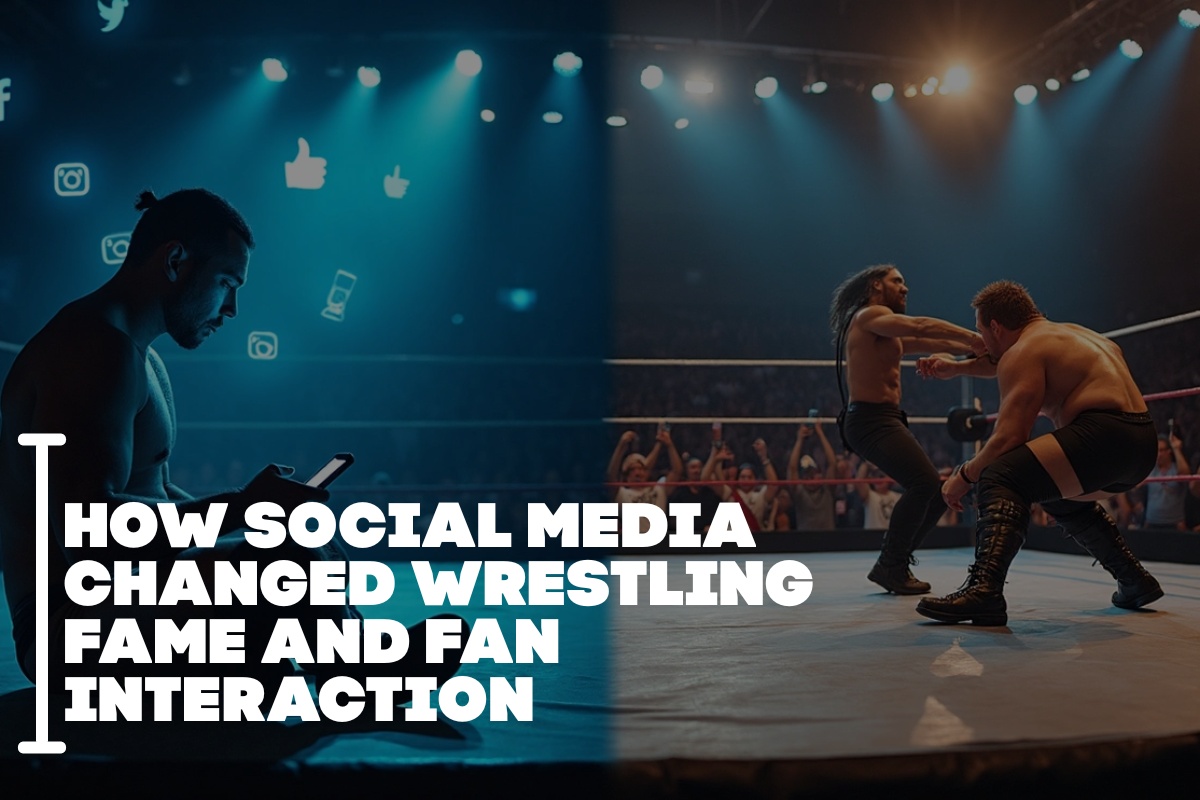
Professional wrestling has always thrived on connection between performers and fans, but the rise of social media has transformed that relationship in ways previously unimaginable. What was once controlled almost entirely by television networks and wrestling promotions is now shaped by real-time conversations, personal branding, and direct engagement.
Platforms like X (Twitter), Instagram, TikTok, and YouTube have redefined how wrestlers build fame, how storylines evolve, and how fans experience the product. This article explores how social media has changed wrestling fame and fan interaction in the modern era.
Shifting Control From Promotions to Performers
In the past, a wrestler’s public image was tightly managed by promotions. Interviews, appearances, and storylines were carefully scripted, and fans saw only what companies allowed them to see. Social media changed that dynamic by giving wrestlers direct control over their voices.
Today, performers can showcase their personalities, share their lives, promote their work, and build their own brands outside of television. This has allowed many wrestlers to grow independent followings that extend beyond any single promotion. As a result, fame is no longer determined solely by screen time but also by online presence and authenticity.
Direct and Real-Time Fan Engagement
One of the biggest shifts brought by social media is direct communication between wrestlers and fans. Fans can now reply to posts, join live streams, comment on videos, and even receive responses from their favorite performers.

This two-way interaction creates a stronger emotional connection. Fans feel more invested because they are no longer passive viewers but active participants in the wrestling community. Wrestlers, in turn, gain instant feedback, loyalty, and support that can strengthen their careers.
Redefining Kayfabe and Storytelling
Kayfabe—the illusion that wrestling storylines are real—used to be carefully protected. Social media blurred the lines between character and real person. Wrestlers now choose how much of their persona they present online, mixing real life with storyline elements.
Some use social platforms to enhance storylines, continuing feuds and rivalries online to deepen fan investment. Others break character entirely, showing behind-the-scenes moments that humanize them. This flexibility has created a new style of storytelling where fans enjoy both the performance and the real person behind it.
Creating New Paths to Fame

Before social media, becoming famous in wrestling often required being signed to a major promotion. Now, independent wrestlers can build large followings online before ever appearing on national television.
Platforms like TikTok and YouTube allow wrestlers to showcase highlights, training clips, comedy, or lifestyle content. Viral moments can elevate unknown performers into global recognition almost overnight. Promotions increasingly scout talent based not only on in-ring ability but also on digital reach and audience engagement.
Strengthening Fan Communities
Social media has also strengthened the sense of community among wrestling fans. Online spaces allow fans to discuss matches, analyze storylines, create fan art, share theories, and celebrate their favorite performers together.
This sense of belonging keeps fans more engaged with wrestling as a whole. It also creates global communities where fans from different countries can connect instantly, something that was far more limited in the pre-social media era.
Increasing Accountability and Transparency
With greater access comes greater accountability. Wrestlers and promotions are now more directly exposed to fan opinions, criticism, and social issues. Controversies can spread quickly, and public perception can change overnight.
While this can be challenging, it has also encouraged more transparency. Fans expect authenticity, responsibility, and engagement. Wrestlers who communicate openly and respectfully with their audience often build stronger, more loyal followings.
Expanding Business Opportunities
Social media has opened new financial opportunities for wrestlers. Many now monetize their platforms through merchandise sales, brand partnerships, paid content, and personal projects. Wrestlers no longer rely solely on contracts and appearances for income.
This shift has empowered performers to become entrepreneurs, managing their own brands and careers more independently. Fame is now tied not just to wrestling success but to digital influence and personal connection.
Frequently Asked Questions
How has social media changed the way wrestlers become famous?
Social media allows wrestlers to build their own audiences independently of major promotions. Viral content, consistent engagement, and personal branding can now drive fame just as much as television exposure.
Do wrestlers still stay in character on social media?
Some do, and some don’t. Many wrestlers blend their real personalities with their characters, while others use social media to show their authentic selves. This flexibility has changed how fans experience wrestling storytelling.
How has fan interaction changed because of social media?
Fans can now directly communicate with wrestlers through comments, messages, and live interactions. This creates stronger emotional connections and makes fans feel more involved in the wrestling world.
Can social media help independent wrestlers succeed?
Yes. Many independent wrestlers have gained major opportunities by building large followings online. Promotions often consider social media reach when scouting new talent.
Has social media improved wrestling overall?
It has increased engagement, creativity, and accessibility, but it has also brought challenges like online negativity and pressure. Overall, it has fundamentally reshaped wrestling into a more interactive and global experience.