Professional wrestling occupies a unique space between sport, theater, and serialized drama. Its storylines—carefully crafted narratives built around heroes, villains, rivalries, and redemption—have extended far beyond the ring to influence modern pop culture and redefine how audiences engage with entertainment. Far from being confined to weekly shows, wrestling storylines shape fashion, language, media trends, and fan communities around the world.
Understanding this influence reveals why wrestling remains culturally relevant decades after its rise to mainstream popularity.
Wrestling as Long-Form Storytelling
Unlike traditional sports, professional wrestling relies on ongoing narratives that unfold over weeks, months, or even years. Promotions such as World Wrestling Entertainment present storylines that resemble episodic television, complete with plot twists, character development, and emotional stakes.
Fans do not simply watch matches to see who wins; they invest in journeys. Redemption arcs, betrayals, underdog victories, and moral conflicts mirror classic storytelling structures found in films and television series. This long-form approach encourages sustained engagement rather than one-time viewership.
Characters That Transcend the Ring
Wrestling characters often become larger-than-life cultural figures. Personas like antiheroes, rebellious outsiders, or unstoppable champions resonate with broader societal themes such as resistance, ambition, or justice.

Performers like Hulk Hogan, The Rock, and John Cena evolved from wrestling characters into mainstream pop culture icons. Their catchphrases, fashion choices, and attitudes crossed into movies, music, advertising, and everyday language.
These characters help wrestling function as a cultural mirror, reflecting and shaping public attitudes across generations.
Fan Engagement Through Emotional Investment
Wrestling storylines thrive on emotional connection. Fans are encouraged to cheer, boo, debate, and emotionally react to unfolding narratives. This emotional investment creates a participatory experience that is deeper than passive consumption.

Fans often choose sides in rivalries, defend favorite wrestlers online, and emotionally respond to shocking moments such as betrayals or surprise returns. This engagement strengthens loyalty and creates a sense of belonging within fan communities.
The Role of Social Media in Modern Wrestling Culture
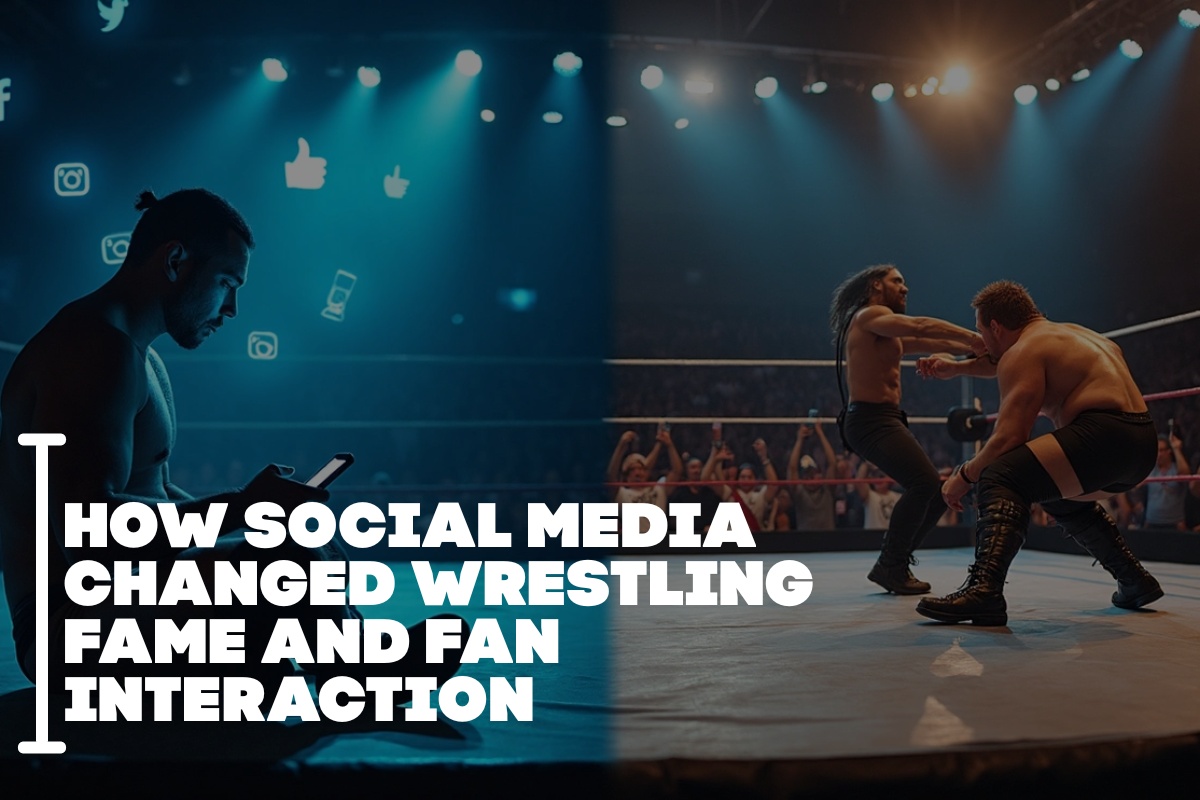
Social media has amplified the influence of wrestling storylines on pop culture. Platforms like X, Instagram, TikTok, and YouTube allow fans to discuss plot developments in real time, share reactions, create memes, and speculate about future twists.
Wrestlers now interact directly with fans, sometimes staying in character and sometimes breaking it, blurring the line between fiction and reality. This layered interaction deepens immersion and keeps storylines alive beyond televised events.
Viral moments—whether dramatic promos or unexpected storyline turns—often reach audiences who may not even follow wrestling regularly, expanding cultural reach.
Blending Reality and Fiction
One of wrestling’s most powerful storytelling tools is its ability to blend real-life events with fictional narratives. Injuries, personal conflicts, career setbacks, or public controversies are often woven into storylines, making them feel more authentic and emotionally charged.
This blending creates a unique form of engagement where fans analyze not only the story but also what might be “real.” The result is constant discussion, theory-building, and debate, all of which fuel sustained interest and cultural relevance.
Influence on Other Entertainment Industries
Wrestling’s storytelling style has influenced television, film, and digital media. Reality TV, scripted sports dramas, and even influencer culture borrow from wrestling’s emphasis on personas, rivalries, and dramatic escalation.
Elements such as:
- Promos resembling monologues
- Clearly defined heroes and villains
- Cliffhangers designed to drive return viewership
are now common across entertainment formats. Wrestling demonstrated early on how narrative-driven spectacle could maintain long-term audience attention.
Community, Identity, and Belonging
Wrestling fandom is not just about entertainment; it is about identity. Fans gather at live events, conventions, watch parties, and online forums to share reactions and memories. Storylines give fans common reference points that strengthen social bonds.
Chanting catchphrases, wearing merchandise, and debating story outcomes allow fans to express individuality while belonging to a collective culture. This shared experience is a powerful driver of engagement and loyalty.
Evolving Storylines for Modern Audiences
Modern wrestling storylines have evolved to reflect changing audience expectations. Contemporary fans often prefer layered characters over simplistic good-versus-evil narratives. Storylines now address themes such as mental health, identity, betrayal, legacy, and redemption with greater nuance.
This evolution helps wrestling remain relevant in a media landscape where audiences demand depth, representation, and emotional authenticity.
Wrestling storylines have had a lasting influence on modern pop culture by redefining how stories are told, how fans engage, and how entertainment builds emotional investment. Through character-driven narratives, social media interaction, and the blending of reality with fiction, wrestling has created a cultural ecosystem that extends far beyond the ring.
More than scripted matches, wrestling storylines are shared experiences that shape language, inspire creativity, and connect millions of fans worldwide. Their continued evolution ensures that professional wrestling remains a powerful force in popular culture and fan engagement.
Frequently Asked Questions (FAQ)
Why are wrestling storylines so engaging?
They combine long-term storytelling, emotional investment, and interactive fan participation, making audiences feel part of the narrative.
How has social media changed wrestling fandom?
Social media allows real-time discussion, direct interaction with wrestlers, and viral sharing of moments that expand wrestling’s cultural reach.
Are wrestling storylines scripted?
Yes, but they often incorporate real-life elements, which makes them feel authentic and emotionally compelling.
Why do wrestling characters become pop culture icons?
Their exaggerated personas, clear symbolism, and emotional resonance make them memorable and adaptable beyond wrestling.
Is wrestling still relevant to modern audiences?
Yes. By evolving its storytelling and embracing digital platforms, wrestling continues to influence pop culture and attract new generations of fans.