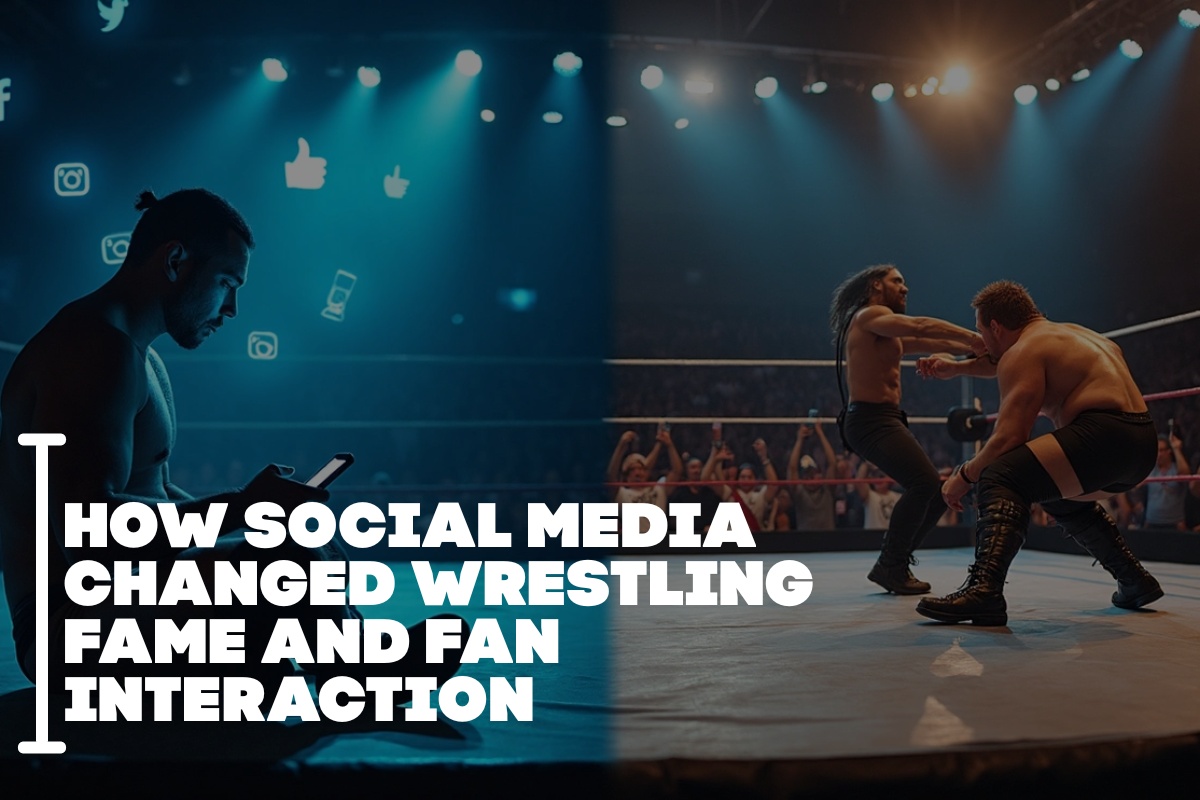
Wrestling is not just about athleticism and physical performance—it’s about storytelling. At its core, professional wrestling is a form of entertainment that blends sports with drama, making it uniquely captivating. The characters, rivalries, plot twists, and larger-than-life personas create a soap opera-like narrative, which is central to its appeal.
Wrestling promotions, whether in the form of the WWE (World Wrestling Entertainment), AEW (All Elite Wrestling), or other global or regional organizations, have long used drama to build intense fan loyalty.
This drama-driven storytelling is what hooks fans, often for years or even decades, creating a deep emotional connection between the audience and the product. It’s not just about who wins or loses; it’s about the stories, conflicts, and resolutions that unfold in the ring and beyond. Here’s how wrestling promotions use drama to build and maintain long-term fan loyalty.
1. Creating Compelling Characters and Storylines
One of the most important ways wrestling promotions use drama to keep fans engaged is by crafting compelling characters. These wrestlers, or “superstars,” are more than just athletes—they are characters with personalities, motivations, flaws, and ambitions. The development of these characters is critical to the success of wrestling promotions because fans invest emotionally in their journeys.
How It Works:
- Heroes and Villains (Faces and Heels): Wrestling relies heavily on the concept of the hero (face) and the villain (heel). Fans form emotional connections with these characters, often cheering for the face and booing the heel. Rivalries between these characters, full of drama, tension, and conflict, draw fans in.
- Character Evolution: Wrestling characters aren’t static; they evolve over time. A wrestler might start as a hero but turn into a villain, or vice versa, depending on storylines and fan reactions. These character arcs keep the storylines fresh and engaging.
Example:
A prime example of a compelling character transformation is “Stone Cold” Steve Austin’s rise in the late 1990s. Initially, Austin was portrayed as a villain, but his rebellious, anti-authority persona caught the audience’s attention, and he quickly became one of the most beloved heroes in wrestling history. His rivalry with Vince McMahon and the “Attitude Era” storylines helped redefine the WWE.
2. Building Long-Term Rivalries and Feuds

Wrestling promotions master the art of building long-term rivalries and feuds, which are often the backbone of the drama in wrestling. These rivalries are not just short-term conflicts but ongoing, evolving storylines that span months or even years.
How It Works:
- Consistency: Long-term feuds develop over time, with wrestlers trading victories, facing off in different match types, and engaging in psychological battles. These rivalries often have personal stakes, which makes the conflict feel more real to the audience.
- Twists and Turns: To keep the rivalry fresh, wrestling promotions include dramatic twists. Wrestlers may form alliances, betray each other, or even have unexpected changes in character, keeping fans on edge about what will happen next.
- Emotional Investment: Fans become emotionally invested in these rivalries, cheering for their favorite wrestler and booing their least favorite, making the feud more than just about wins and losses—it’s about narrative payoff.
Example:
One of the most iconic rivalries in wrestling history is between “The Rock” and “Stone Cold” Steve Austin. This feud spanned several years and culminated in multiple memorable matches, including main-eventing WrestleMania three times. Fans were deeply invested in the storyline, and the emotional highs and lows kept them loyal to the product for the long term.
3. Surprise and Shock Value (Plot Twists)
Professional wrestling promotions are known for their dramatic plot twists, which help keep fans hooked. The element of surprise is key to maintaining excitement and keeping fans coming back for more.
How It Works:
- Unexpected Returns: Wrestlers may return from injuries, retirements, or absences in dramatic fashion. These returns often happen when fans least expect them, creating instant buzz and excitement.
- Heel Turns: A “heel turn” occurs when a beloved wrestler suddenly turns against their fans, aligning with a villainous character. This is a shocking and emotional moment that creates drama and reinvigorates the storyline.
- Unpredictable Outcomes: Matches may have surprise finishes, shocking betrayals, or unexpected alliances that keep fans guessing. These twists lead to social media chatter, discussions, and increased anticipation for upcoming events.
Example:

One of the most shocking moments in wrestling was when Hulk Hogan, a beloved hero, turned heel at the 1996 Bash at the Beach event, joining the nWo (New World Order). This was an unexpected twist that shocked fans and completely changed the course of wrestling history.
4. Incorporating Real-Life Drama
Wrestling promotions often blur the line between scripted drama and real-life events to create more compelling storylines. This approach, known as “kayfabe” in the wrestling world, involves integrating real-life emotions, conflicts, or events into the scripted narratives. It makes the drama feel more authentic, which increases its emotional impact.
How It Works:
- Personal Feuds: Wrestlers often bring real-life rivalries or personal issues into their on-screen personas, adding a layer of authenticity to the drama. When fans believe that the emotions they see on screen are genuine, it increases their investment in the story.
- Addressing Real-World Issues: Promotions sometimes address social issues or real-world events through storylines, creating a deeper connection between the audience and the characters.
Example:
The “Montreal Screwjob” at the 1997 Survivor Series is a prime example of real-life drama blending into wrestling. The on-screen betrayal of Bret Hart by Vince McMahon (which many believed was partially based on real backstage tensions) led to one of the most talked-about incidents in wrestling history. Fans were divided, with some believing the incident was a legitimate betrayal, adding to its emotional weight.
5. Emphasizing Fan Participation and Connection
Wrestling promotions understand that fan engagement is essential to building long-term loyalty. By incorporating fan participation, feedback, and interaction, promotions deepen the emotional connection between the product and its audience.
How It Works:
- Fan Reactions Drive Storylines: Wrestlers and promoters often feed off crowd reactions. A wrestler’s popularity or villainous persona is heavily influenced by the audience’s response, allowing fans to have a hand in the development of storylines.
- Social Media and Online Communities: Promotions encourage fan interaction through social media, where fans can discuss storylines, engage with wrestlers, and participate in polls. This real-time interaction fosters a sense of ownership and involvement in the storylines.
- Live Events and Merchandise: Fans attend live events, buy merchandise, and participate in live chants and cheers, all of which make them feel like active participants in the drama. The more involved they are, the more likely they are to remain loyal to the product.
Example:
The “Yes Movement” in WWE, led by Daniel Bryan, is a great example of fan-driven storytelling. Bryan’s organic rise to popularity through fan support culminated in him winning the WWE World Heavyweight Championship at WrestleMania 30, a moment that was seen as the culmination of a storyline that was shaped by fan interaction.
6. Leveraging Major Events for Dramatic Storytelling
Wrestling promotions use major events and pay-per-view (PPV) specials to heighten the drama of their storylines. These events are the culmination of months of build-up, making the resolutions of the plots more impactful and rewarding.
How It Works:
- High Stakes Matches: Events like WrestleMania, SummerSlam, or the Royal Rumble are used to showcase the biggest matches, where rivalries come to a head. The drama is at its peak here, as fans anticipate epic showdowns.
- Climactic Moments: Wrestlers often have their most dramatic and emotional moments at these events—whether it’s winning a title, avenging a loss, or finally getting their revenge on a rival. The buildup to these moments is where the true drama of wrestling unfolds.
Example:
The 2014 WWE Royal Rumble featured a massive fan backlash when Daniel Bryan was not included in the Rumble match, despite the fans’ clear support for him. This drama helped fuel Bryan’s eventual main-event victory at WrestleMania 30, which culminated in an emotional and highly memorable moment in WWE history.
Frequently Asked Questions (FAQ)
1. How do rivalries in wrestling build fan loyalty?
Rivalries in wrestling create emotional stakes by giving fans a reason to invest in characters’ journeys. The highs and lows of these rivalries keep fans engaged, and the resolution of these storylines—whether through victory or defeat—provides a sense of satisfaction and closure.
2. Why is fan participation important in wrestling?
Fan participation amplifies the drama in wrestling. When fans react to wrestlers and storylines, it shapes the direction of those storylines, making fans feel like an integral part of the experience. This involvement fosters a deeper connection to the product.
3. How do plot twists affect fan loyalty in wrestling?
Plot twists in wrestling, such as unexpected turns or betrayals, generate excitement and keep fans guessing. When fans are continually surprised, they remain engaged and loyal to the product, eagerly anticipating the next development.
4. How does wrestling use real-life drama to enhance storylines?
Wrestling promotions sometimes incorporate real-life tensions, rivalries, or events into their storylines to create a more authentic and emotionally charged narrative. This blurring of lines between reality and fiction increases fan investment in the story.